






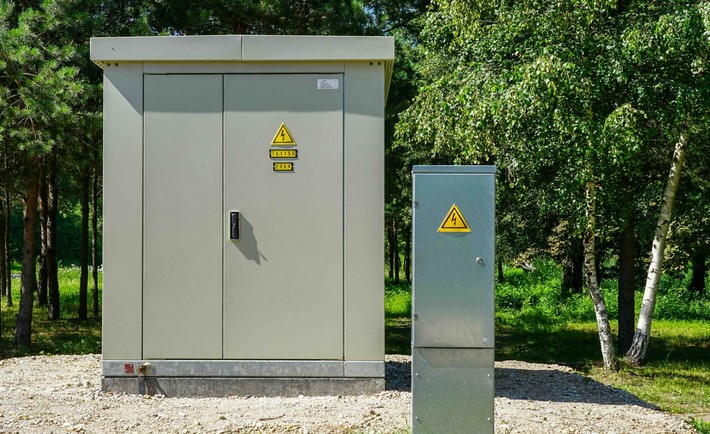
Modern homes rely on an increasingly complex network of electrical systems to support outdoor lighting, security devices, garden equipment, and smart home technology. At the center of many of these external power connections lies the Outdoor Electrical Box, a protective enclosure designed to house wiring connections and electrical outlets exposed to outdoor environments. Although often overlooked in residential planning, this component plays a critical role in maintaining electrical safety, reliability, and long-term infrastructure durability.
Outdoor electrical boxes serve as the interface between a home’s internal electrical system and its exterior power applications. These enclosures protect wiring from environmental elements such as rain, dust, temperature fluctuations, and ultraviolet radiation. Without adequate protection, electrical components could deteriorate rapidly, potentially leading to safety hazards, equipment malfunction, or costly repairs.
As outdoor living spaces continue to expand—with features such as landscape lighting, outdoor kitchens, automated irrigation systems, and electric vehicle charging stations—the importance of robust electrical infrastructure grows. Strengthening and securing exterior electrical enclosures is becoming an essential aspect of residential asset protection. By implementing advanced protective measures, homeowners can ensure that outdoor electrical systems remain reliable, safe, and resilient against environmental stress.
Environmental Risks Affecting Outdoor Electrical Installations
Outdoor electrical systems face challenges that indoor electrical infrastructure rarely encounters. Exposure to weather conditions, physical impact, and environmental contaminants can gradually compromise the integrity of electrical components.
One of the most significant risks is moisture infiltration. Rainwater, condensation, and humidity can enter poorly sealed enclosures, leading to corrosion of metal components and potential short circuits. Even minor moisture accumulation can cause electrical degradation over time.
Another common challenge is temperature fluctuation. Outdoor environments may experience extreme variations between daytime heat and nighttime cooling. These temperature changes cause materials to expand and contract, which can loosen seals and weaken protective barriers.
Dust and debris are also potential threats. Fine particles carried by wind can accumulate inside electrical enclosures if protective seals are inadequate. Over time, this buildup can interfere with electrical contacts and reduce system performance.
In addition to environmental factors, physical impact and tampering can compromise outdoor electrical boxes. Lawn equipment, accidental contact, or unauthorized access may damage exposed electrical components. As a result, strengthening the design and protection of these enclosures is essential for maintaining electrical reliability.
Structural Protection Strategies for Electrical Enclosures
Protecting outdoor electrical infrastructure requires a combination of thoughtful design, durable materials, and proactive maintenance practices. Several strategies can significantly enhance the resilience of exterior electrical enclosures.
1. Weather-Resistant Materials
Selecting durable materials is one of the most effective ways to protect outdoor electrical components. High-quality enclosures are typically constructed from corrosion-resistant metals, reinforced plastics, or specialized polymer composites. These materials resist rust, UV degradation, and environmental wear.
Weatherproof covers also play a crucial role. Hinged or gasket-sealed covers prevent rainwater from entering the enclosure while allowing convenient access when maintenance is required.
2. Moisture Sealing and Gasket Systems
Sealing mechanisms are critical for preventing moisture infiltration. Rubber gaskets and compression seals create tight barriers between enclosure components, reducing the risk of water intrusion. These seals are particularly important in regions with high rainfall or humidity levels.
Proper installation is essential to ensure that seals function effectively. Even the best sealing systems can fail if enclosures are mounted incorrectly or if covers are left partially open.
3. Elevated Mounting and Strategic Placement
Positioning electrical boxes above ground level helps reduce exposure to standing water and flooding. Mounting enclosures on walls or elevated posts provides additional protection from environmental hazards.
Strategic placement also minimizes the risk of accidental impact. Installing electrical boxes away from high-traffic areas, lawn maintenance zones, or garden machinery paths can prevent physical damage.
4. Impact-Resistant Design
Reinforced enclosures provide additional protection against physical forces. Impact-resistant materials help safeguard electrical components from accidental strikes or environmental debris during storms.
Some modern designs also incorporate lockable covers, which prevent unauthorized access and protect electrical connections from tampering.
Integrating Outdoor Electrical Protection Into Smart Home Infrastructure
As smart home technology becomes more widespread, outdoor electrical systems are supporting a growing number of connected devices. Security cameras, motion sensors, landscape lighting systems, and automated irrigation controllers all rely on stable outdoor power sources.
Protecting electrical enclosures is therefore essential not only for safety but also for maintaining the reliability of connected devices. A single compromised electrical box can disrupt multiple systems simultaneously.
Smart infrastructure planning now includes integrated outdoor power management strategies. These strategies combine durable enclosures, surge protection devices, and environmental monitoring sensors. By detecting moisture or temperature changes early, homeowners can address potential issues before they lead to system failures.
Additionally, advanced outdoor enclosures may include internal cable management systems that keep wiring organized and protected. Proper cable routing reduces strain on connections and improves overall electrical stability.
Maintenance Practices for Long-Term Electrical Safety
Even the most durable electrical enclosures require periodic inspection and maintenance. Regular maintenance ensures that protective features continue functioning effectively throughout the lifespan of the installation.
Homeowners and property managers should inspect outdoor electrical boxes at least once or twice per year. During these inspections, they should check for signs of corrosion, loose mounting hardware, damaged seals, or accumulated debris.
Cleaning the exterior surfaces of the enclosure can also help prevent dirt buildup that may interfere with sealing mechanisms. If gaskets appear worn or brittle, replacing them promptly can prevent moisture intrusion.
Another important maintenance step involves verifying that protective covers close securely after use. Sometimes outlets are left partially open after connecting outdoor devices, creating an entry point for rain or insects.
Professional electricians may also perform periodic safety checks to ensure that wiring connections remain secure and compliant with electrical codes. These inspections are especially valuable for properties with extensive outdoor electrical installations.
Long-Term Benefits of Strengthening Outdoor Electrical Systems
Investing in protective measures for outdoor electrical infrastructure offers several long-term advantages.
First, improved protection reduces the risk of electrical hazards such as short circuits, equipment damage, or fire hazards caused by moisture exposure. This contributes to a safer living environment for residents and visitors.
Second, durable enclosures extend the lifespan of electrical components. By shielding wiring connections from environmental damage, homeowners can avoid frequent repairs or replacements.
Third, well-maintained electrical systems support the reliability of outdoor amenities. Features such as landscape lighting, security cameras, and smart irrigation systems depend on stable power sources to function effectively.
Finally, robust outdoor electrical infrastructure can contribute to property value. Homes with well-designed and professionally installed electrical systems are often perceived as more reliable and easier to maintain.
As residential properties incorporate more outdoor technology and electrical equipment, protecting exterior power infrastructure becomes increasingly important. Environmental exposure, physical impact, and moisture infiltration all pose potential risks to electrical connections located outside the home. Implementing durable materials, effective sealing systems, and strategic installation methods can significantly improve the resilience of these installations. By prioritizing protective measures for the Outdoor Electrical Box, homeowners can safeguard critical electrical connections while supporting the reliability of outdoor amenities and smart devices. Ultimately, a well-designed and properly maintained Outdoor Electrical Box serves as a foundational component in strengthening the safety, efficiency, and long-term durability of modern residential electrical systems.











+ There are no comments
Add yours