






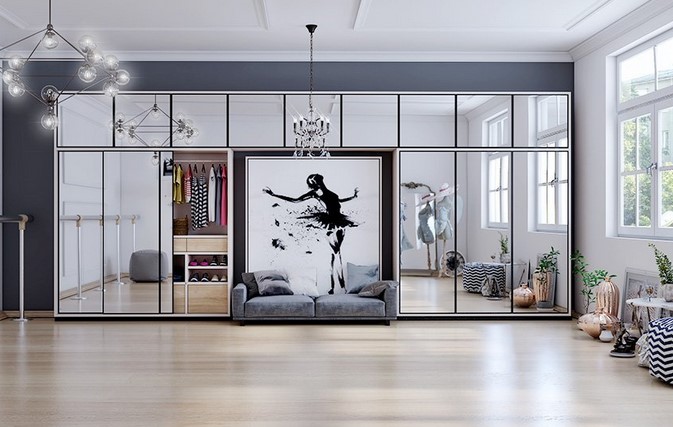
The Evolution of Discreet Architectural Design
Modern architecture increasingly balances aesthetics, functionality, and privacy within interior environments. As residential and commercial spaces become more multifunctional, designers are exploring creative solutions that allow rooms to serve multiple purposes while maintaining visual harmony. One such innovation gaining attention in interior architecture is the Hidden Door Kit, a specialized hardware system designed to conceal doors within walls, shelving units, or paneling. By integrating concealed access points into structural layouts, architects and homeowners can maximize spatial efficiency while preserving privacy and maintaining a clean, uninterrupted design aesthetic.
Historically, hidden doors were associated with castles, libraries, or secret chambers used for security or escape routes. Today, however, the concept has evolved into a practical design strategy used in contemporary homes, offices, and hospitality spaces. Instead of purely serving secrecy, hidden doors now support functional needs such as creating private workspaces, concealed storage areas, or restricted access zones within buildings.
With growing interest in minimalist architecture and uncluttered interiors, hidden door systems are particularly appealing. Traditional doors often interrupt wall continuity, requiring visible frames, hinges, and handles that can disrupt a carefully designed interior. Concealed door systems allow designers to maintain seamless surfaces while still providing full functionality.
As a result, hidden door technology has moved from novelty to a sophisticated architectural tool that supports both form and function.
The Functional Value of Hidden Architectural Access Points
Hidden doors offer several advantages that go beyond their visual appeal. When implemented strategically, they can enhance privacy, optimize spatial efficiency, and improve overall design flexibility.
One key benefit is the ability to create discreet transitions between spaces. In many homes, certain rooms require greater privacy than others. Home offices, personal libraries, storage areas, and security rooms may benefit from limited visibility or controlled access.
A hidden door allows these spaces to remain accessible while minimizing their visual presence in the overall design.
Another advantage lies in space optimization. In compact residential environments, maximizing usable space is essential. Traditional door frames and swing paths can limit furniture placement or reduce usable wall area. Hidden door systems can be integrated into bookcases, cabinets, or decorative wall panels, allowing designers to utilize vertical space more effectively.
In addition, concealed doors contribute to architectural cohesion. When doors blend seamlessly with surrounding surfaces, the room appears more open and organized. This visual continuity is especially valuable in minimalist interiors where simplicity and clean lines define the overall aesthetic.
Structural Integration and Design Techniques
Implementing hidden doors successfully requires thoughtful planning and coordination between designers, builders, and homeowners. Several design techniques can help ensure that concealed access points function effectively while maintaining structural integrity.
1. Wall Panel Integration
One of the most common approaches is integrating the door into a continuous wall panel system. Decorative wall panels or wooden slats can be designed to align perfectly with the concealed door surface, making the opening nearly invisible.
Precise alignment and consistent spacing between panels are essential for achieving this effect.
2. Bookshelf Concealment
Another popular technique involves incorporating the door into a bookshelf structure. In this configuration, the door functions as a pivoting bookshelf that opens to reveal a hidden room or storage area.
This approach not only conceals the door but also adds functional storage space to the room.
3. Flush Door Design
Flush doors eliminate visible frames and protruding hardware. Using concealed hinges and push-to-open mechanisms, the door sits perfectly level with the surrounding wall surface.
This design creates a sleek appearance that blends seamlessly with modern interior styles.
4. Material Continuity
Maintaining consistent materials across the wall and door surface is essential for effective concealment. Whether using wood paneling, wallpaper, painted surfaces, or textured finishes, the door must visually match its surroundings.
When materials align properly, the door becomes almost indistinguishable from the adjacent wall.
Engineering and Hardware Innovations
The effectiveness of hidden doors depends largely on the hardware systems that support them. Traditional door hinges and handles are not suitable for concealed applications because they create visible interruptions in the design.
Modern hidden door systems rely on specialized hardware components that enable smooth operation while remaining discreet.
Concealed hinges are a key feature. These hinges are installed within the door frame and remain invisible when the door is closed. They allow the door to swing open while maintaining the illusion of a continuous wall surface.
Push-latch mechanisms are another important component. Instead of using traditional handles, hidden doors often open with a gentle push. Magnetic or spring-loaded latches release the door when pressure is applied, preserving the minimalist aesthetic.
Pivot hinge systems are also commonly used for larger concealed doors. These mechanisms distribute the weight of the door more evenly, allowing it to rotate smoothly without visible support structures.
Modern engineering has also improved the durability and load capacity of hidden door systems. Reinforced frames and high-strength hinges ensure that concealed doors can support additional weight, such as bookshelves or decorative panels, without compromising structural stability.
Applications in Residential and Commercial Spaces
Hidden door systems are increasingly being adopted across various architectural environments.
Residential Homes
In residential settings, hidden doors provide a creative way to enhance privacy and organization. Homeowners may use concealed doors to create private offices, secure storage areas, or hidden entertainment rooms.
For example, a hidden door integrated into a living room bookshelf could lead to a quiet study or reading room. Similarly, concealed access points may connect bedrooms to private bathrooms or dressing rooms.
Home Offices and Remote Workspaces
With remote work becoming more common, many professionals are designing dedicated home offices. Hidden doors allow these spaces to remain discreet when not in use, preserving the visual simplicity of shared living areas.
This approach is particularly valuable in open-concept homes where maintaining clear spatial boundaries can be challenging.
Hospitality and Luxury Interiors
Hotels and luxury residences often use concealed doors to enhance guest experiences. Hidden access points may lead to private lounges, service corridors, or secure storage areas for staff operations.
These installations help maintain a refined aesthetic while supporting efficient operational workflows.
Commercial Offices
In commercial office environments, hidden doors can provide access to meeting rooms, storage areas, or security-sensitive spaces. By integrating concealed entrances into wall systems, companies can maintain professional aesthetics while protecting confidential work areas.
Psychological and Aesthetic Benefits
Beyond their functional advantages, hidden doors also contribute to the psychological experience of a space.
Clean, uninterrupted wall surfaces create a sense of calm and order. When architectural elements blend seamlessly, rooms feel less cluttered and more visually balanced.
Hidden doors also introduce an element of curiosity and discovery. Spaces that contain subtle design surprises often feel more engaging and memorable. This can enhance the overall atmosphere of both residential and commercial environments.
In addition, concealed doors allow homeowners and designers to maintain privacy without sacrificing style. Instead of installing obvious barriers or partitions, hidden doors offer a subtle solution that preserves the elegance of the interior design.
As architectural design continues to prioritize efficiency, privacy, and visual harmony, concealed access solutions are becoming increasingly valuable. Hidden doors represent a sophisticated way to integrate functional spaces without disrupting the overall aesthetic of a room. Through thoughtful planning, advanced hardware systems, and consistent material design, architects can transform ordinary walls into versatile architectural features. By implementing solutions such as the Hidden Door Kit, homeowners and designers can create discreet transitions between spaces while maximizing spatial efficiency and maintaining minimalist design principles. Ultimately, the Hidden Door Kit serves as a powerful architectural tool that enhances privacy, functionality, and creative interior design possibilities within modern living environments.












+ There are no comments
Add yours