




The Importance of Maintaining Premium Flooring Surfaces
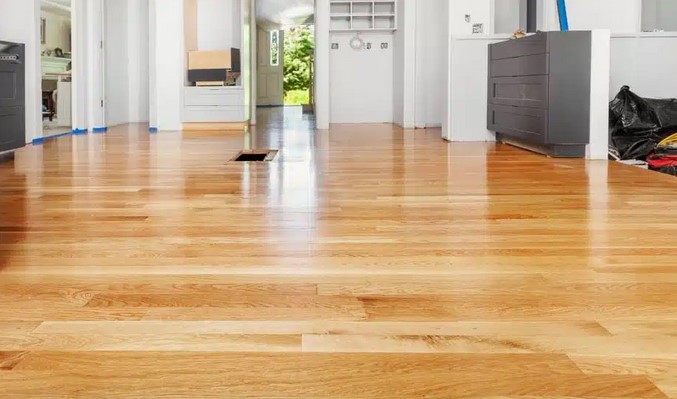
Hardwood flooring has long been recognized as one of the most valuable interior assets in residential and commercial properties. Its durability, natural beauty, and timeless appeal make it a preferred flooring choice for architects, homeowners, and property developers alike. However, maintaining the visual integrity and longevity of these surfaces requires more than routine cleaning. One of the most effective maintenance strategies involves the consistent application and management of Hardwood Floor Polish, a protective treatment designed to enhance appearance while safeguarding the wood from daily wear and environmental stress.
Wood flooring represents a significant investment, and without proper care, its surface can gradually lose its luster due to foot traffic, dust accumulation, minor scratches, and exposure to sunlight. Over time, these factors can diminish the overall aesthetic value of the space and potentially reduce property appeal.
Strategic floor maintenance goes beyond simply preserving appearance; it also protects the structural integrity of the wood surface. Proper polishing routines create a protective barrier that shields the floor from moisture penetration, abrasion, and surface damage. When managed effectively, polishing becomes part of a comprehensive lifecycle strategy that ensures the flooring remains both visually appealing and structurally sound for many years.
Understanding how to implement and maintain an effective polishing cycle is essential for maximizing the lifespan and value of hardwood flooring assets.
Understanding the Lifecycle of Hardwood Floor Protection
The lifecycle of hardwood floor maintenance typically involves several phases, each designed to preserve the floor’s durability and appearance throughout its years of use. Polishing plays a central role in this lifecycle because it reinforces the floor’s protective layer between more intensive refinishing procedures.
Initially, newly installed hardwood floors often receive a finishing treatment such as polyurethane or oil-based sealants. These finishes provide the first layer of protection against environmental exposure and everyday wear. However, even the most durable finishes gradually experience surface deterioration due to friction from foot traffic, furniture movement, and cleaning activities.
Polishing acts as an intermediate maintenance solution that extends the life of the original finish. Instead of sanding and refinishing the entire floor—which can be time-consuming and costly—polishing refreshes the surface layer, restoring shine and adding a new protective coating.
Over time, this process becomes part of a cyclical maintenance routine. Floors may be polished periodically to maintain appearance and performance until the finish eventually requires full refinishing. Proper lifecycle management ensures that polishing is applied at the appropriate intervals to maximize efficiency and minimize long-term maintenance costs.
Key Phases in Hardwood Floor Polish Lifecycle Management
Effective lifecycle management involves understanding the different stages of hardwood floor care and how polishing fits into each phase.
1. Initial Surface Protection
After installation, hardwood floors are typically sealed with protective finishes that guard against moisture and abrasion. During this phase, the floor remains highly resistant to damage, but regular cleaning and gentle maintenance are still essential.
Polishing is generally not required immediately after installation but may be introduced later as the surface begins to show signs of wear.
2. Preventive Maintenance Phase
As the floor begins to experience daily use, preventive maintenance becomes increasingly important. Regular cleaning removes abrasive particles such as dust and sand that can scratch the surface.
During this stage, polishing may be applied periodically to restore gloss and reinforce the protective layer. This step helps maintain the floor’s visual appeal and prevents minor surface wear from becoming more serious damage.
3. Surface Restoration Phase
After extended periods of use, hardwood floors may begin to lose their shine or develop minor scuffs and scratches. Polishing at this stage can rejuvenate the surface without requiring major restoration work.
The polish fills small surface imperfections and creates a smooth, reflective finish that enhances the natural beauty of the wood grain.
4. Pre-Refinishing Stage
Eventually, even well-maintained floors may reach a point where polishing alone is no longer sufficient. When deeper scratches or finish deterioration appear, sanding and refinishing may be necessary.
However, proper lifecycle management can significantly delay this stage by maintaining strong protective layers through regular polishing.
Strategic Benefits of Hardwood Floor Polish Applications
Polishing hardwood floors offers several advantages beyond simple aesthetic improvement. When applied strategically, it contributes to the long-term preservation of flooring assets.
One key benefit is enhanced durability. Polishing forms a thin protective coating that reduces friction between the floor surface and objects that come into contact with it. This additional barrier helps minimize scratches and wear caused by foot traffic and furniture movement.
Another advantage is moisture resistance. Wood is naturally sensitive to moisture, and excessive exposure can lead to swelling, warping, or discoloration. Polishing treatments create a protective film that reduces moisture penetration and helps maintain dimensional stability.
Aesthetic enhancement is another major benefit. Polishing restores the floor’s natural shine and highlights the texture and grain patterns of the wood. This visual enhancement can significantly improve the overall ambiance of interior spaces.
Polished floors also contribute to improved lighting efficiency within a room. Reflective surfaces distribute light more evenly, which can make spaces appear brighter and more spacious.
Finally, polishing simplifies routine cleaning. Smooth, polished surfaces are less likely to trap dust and debris, making regular maintenance faster and more effective.
Implementing an Effective Floor Polish Maintenance Plan
To achieve the full benefits of floor polishing, property owners and facility managers should implement a structured maintenance plan.
Regular Cleaning
The foundation of any floor care program is consistent cleaning. Dust and grit should be removed frequently using microfiber mops or vacuum cleaners designed for hardwood floors. This prevents abrasive particles from damaging the protective finish.
Scheduled Polishing
Polishing should be scheduled based on the level of floor usage. High-traffic areas such as hallways, living rooms, and office corridors may require more frequent polishing than rarely used rooms.
Professional Assessment
Periodic inspections by flooring professionals can help determine when polishing is appropriate. Experts can evaluate the condition of the finish and recommend maintenance strategies tailored to the specific floor type.
Protective Measures
Using furniture pads, area rugs, and entryway mats can significantly reduce surface wear. These simple preventive measures help preserve the polished finish and extend the intervals between maintenance treatments.
Sustainability and Long-Term Value
Lifecycle management strategies also contribute to sustainability by reducing the need for frequent refinishing or floor replacement. Sanding and refinishing processes consume materials, energy, and labor, while polishing provides a lower-impact maintenance solution.
By extending the usable life of hardwood floors, property owners can minimize waste and reduce the environmental footprint associated with renovation projects. Additionally, maintaining high-quality flooring enhances property value and contributes to long-term investment protection.
Well-maintained hardwood floors are often considered a premium feature in both residential and commercial real estate markets. Their visual appeal and durability can positively influence property evaluations and buyer perceptions.
Hardwood flooring represents a valuable asset that deserves careful and strategic maintenance throughout its lifecycle. Rather than relying solely on occasional deep restoration, property owners can adopt proactive maintenance practices that preserve both appearance and structural integrity. Regular cleaning, protective measures, and scheduled polishing all play essential roles in maintaining the quality of wood surfaces over time. By implementing a structured lifecycle management approach centered around Hardwood Floor Polish, homeowners and facility managers can extend the lifespan of their flooring investments while maintaining consistent visual appeal. Ultimately, thoughtful application of Hardwood Floor Polish ensures that hardwood surfaces remain durable, elegant, and valuable components of interior architectural design for years to come.






+ There are no comments
Add yours