





There is nothing quite like the stomach-churning sound of a freshly mudded drywall sheet popping off a wall stud at 6:00 PM on a Friday.
I experienced this nightmare early in my career on a residential remodel in Chicago. We were finishing up a large ceiling installation when a series of sharp, loud cracks echoed through the room. Within seconds, a 4×8 sheet of 5/8-inch Type X drywall sagged, pulling right through the heads of cheap, non-standard fasteners a subcontractor had picked up from a bargain bin.
That single failure cost us two days of teardown, fresh materials, and serious professional embarrassment.
In my over ten years of hands-on experience in home improvement and structural contracting, I have learned that a building’s overall integrity often hinges on the humblest components. Elevating your hardware logistics with a standardized, high-quality drywall screw pack is not just about keeping your job site organized; it is your first line of defense against structural creep, shear failure, and costly cosmetic popping.
Anatomy of a Fastener: Why Standard Screws Fail in Gypsum
To understand why a dedicated drywall screw pack is non-negotiable, you must understand the unique mechanics of gypsum board installation. Drywall is essentially a compressed core of gypsum plaster encased in heavy paper facing. It possesses impressive fire resistance and dead-weight stability, but extremely low shear resistance around localized stress points.
If you attempt to use standard wood screws or multipurpose construction screws, you will run into immediate mechanical issues.
[ Traditional Wood Screw ] ➔ [ Tears Outer Paper Facing ] ➔ [ Crushes Gypsum Core ] ➔ [ Board Sag / Pop ]
                                                                                              │
[ Bugle-Head Drywall Screw ] ➔ [ Depresses Paper Firmly ] ➔ [ Maintains Structural Core ] ◄───┘
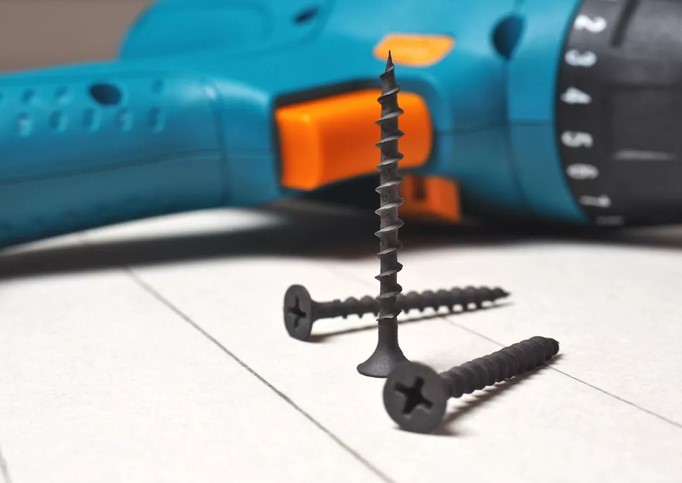
Standard screws feature flat or countersunk heads designed to slice into wood. When driven into drywall, they slice clean through the protective paper layer, crushing the brittle gypsum underneath. Once the outer paper face is compromised, the sheet loses up to 80% of its holding power.
A proper drywall fastener utilizes a specialized bugle head. Think of a bugle head like a miniature snowshoe for your screw. Instead of cutting through the material, the curved transition under the head gently depresses the paper facing into the core without tearing it, creating a strong, flush dimple that accepts joint compound seamlessly.
Fastener Specifications: Selecting the Right Pack for the Job
Not all drywall screws are built for the same substrate. Choosing the correct drywall screw pack requires matching thread pitch, drive type, and gauge to your specific structural framing.
| Feature / Spec | Coarse-Thread (Type W) | Fine-Thread (Type S) | Self-Drilling (Tek) |
| Primary Substrate | Solid Wood Studs / Joists | Light-Gauge Steel Framing (25–20 ga) | Heavy-Gauge Steel Framing (20–12 ga) |
| Thread Mechanics | Deep, wide-spaced threads for wood bite | Dual-lead, fine threads for metal grip | Integrated drill-bit tip for thick metal |
| Common Gauges | #6, #7, #8 | #6, #7 | #8, #10 |
| Coating Type | Black Phosphate / Yellow Zinc | Black Phosphate / Gray Phosphate | Zinc-Plated / Ceramic Coated |
1. Thread Pitch (Type W vs. Type S)
-
Coarse-Thread (Type W): Designed specifically for timber. The deep, aggressive threads bite deep into softwoods like pine or Douglas fir, pulling the board tight against the stud without stripping the wood fibers.
-
Fine-Thread (Type S): Engineered for light-gauge steel studs. Fine threads slice precise mating threads into thin metal without binding or shearing off under high torque.
2. Drive Systems: Phillips vs. Square/Torx
While traditional #2 Phillips drives remain the industry standard because of their self-centering capability on high-speed auto-feed guns, high-end installation crews are increasingly opting for Square (Robertson) or Star (Torx) drive packs for heavy-duty ceiling applications to eliminate driver bit “cam-out.”
The Economics of Fastening Logistics: Box vs. Bulk Packs
Managing hardware inventory is a subtle art that separates profitable contractors and smooth DIY projects from chaotic job sites. Purchasing a consolidated drywall screw pack rather than loose or under-sized boxes offers significant operational advantages:
-
Preventing Batch Inconsistency: Mixing fasteners from different manufacturers during a single wall installation leads to uneven driving depths, varying head diameters, and inconsistent finish work.
-
Corrosion Protection Consistency: Quality drywall screw packs feature uniform black phosphate or gray phosphate coatings. These coatings provide essential rust resistance against the moisture present in wet joint compound and interior humidity.
-
Streamlining Workflows with Collated Packs: For large-scale projects, buying collated screw packs designed for auto-feed screw guns speeds up installation time by up to 300% compared to hand-feeding individual fasteners.
Expert Advice: Pro Tips & Hidden Pitfalls
PRO TIP: The “Thumbnail Flushness Test”Setting your driver’s depth nosecone correctly is critical. Drive a test screw into your drywall sheet, then run your thumbnail flat across the screw head. If your nail catches the edge of the screw, it is set too shallow and will ruin your taping finish. If the head has completely broken the paper face, it is over-driven and has lost its structural holding power. The perfect drive creates a smooth, shallow dimple without breaking a single paper fiber.
Hidden Pitfalls to Avoid:
-
Using Phosphate Screws Outdoors or in High-Moisture Areas: Standard black phosphate drywall screws are susceptible to rust when exposed to chronic moisture. Never use standard drywall screw packs for exterior cement board, greenboard in wet bath enclosures, or pressure-treated deck framing. Use stainless steel or coated exterior screws instead.
-
Over-Spacing Ceiling Fasteners: Gravitational pull on 1/2-inch or 5/8-inch ceiling drywall requires tight spacing. Fasteners on ceiling joists should be spaced every 12 inches, whereas wall studs can generally handle 16-inch spacing under standard residential codes.
-
Relying on Drywall Screws for Structural Load-Bearing: Drywall screws are extremely brittle because they are heat-treated for hardness to drive through tough materials. They possess almost zero shear strength. Never use drywall screws to hang heavy cabinets, structural ledger boards, or framing lumber.
Secure Your Builds with Professional Logistics
Successful home improvement projects are built on a foundation of attention to detail. Skipping out on proper fastener logistics or grabbing whatever random screws you have sitting in your toolbox compromises the safety, longevity, and cosmetic finish of your walls.
Investing in a high-grade, standardized drywall screw pack tailored to your framing substrate ensures that every panel stays locked in place for decades to come, free of cracks, pops, or sags.
What fastener challenges have you run into on your home improvement or drywall projects? Have you ever had to fix a stubborn screw pop? Drop your stories or questions in the comments below—let’s discuss the best practices together!






+ There are no comments
Add yours