





Imagine walking into a tech firm’s headquarters for a multi-million-dollar pitch, only to sit in a conference room featuring cold, sterile beige walls and a single crooked, generic stock print. The disconnect is immediate. Before anyone speaks a word, your brain has already registered an environment that feels uninspired, unpolished, and cheap.
A few years ago, I was hired to consult on a commercial build-out for a growing financial firm in downtown Atlanta. The executive team had invested over $150,000 in ergonomic task seating and high-end acoustic paneling, yet the space felt like a clinical waiting room. When I suggested elevating the corridors and boardrooms with curated artwork, the CFO recoiled—assuming “corporate art” meant blowing six figures on gallery originals.
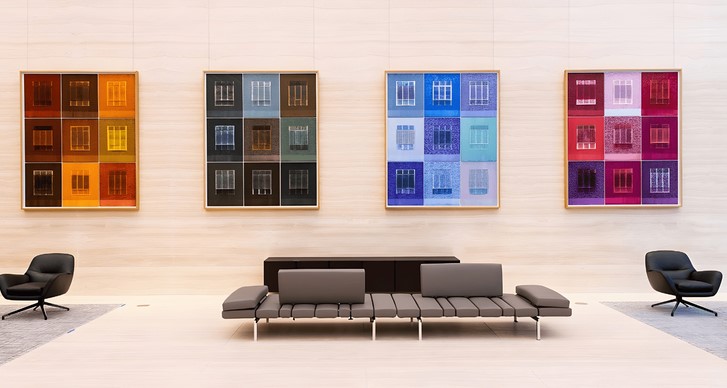
Over my ten years in commercial interior integration and space planning, I have continually proven this assumption wrong. Transforming a corporate environment from sterile to inspiring does not require an art dealer’s budget. Strategically sourcing affordable wall art elevates brand perception, improves employee well-being, and maximizes real estate value without draining your capital reserves.
The Psychology of Visual Space: Why Blank Walls Hurt Productivity
To understand why high-impact artwork is essential, you must look at environmental psychology. Untextured, monotonous drywall creates visual fatigue. Research in workspace design consistently demonstrates that employees working in enriched environments—spaces decorated with artwork and plants—show up to 17% higher productivity and significantly lower stress levels compared to those in lean, sterile offices.
Think of wall art in a corporate setting like the framing and suspension on a high-performance vehicle.
[ Unadorned Drywall ] ➔ [ High Visual Fatigue ] ➔ [ Lower Engagement & Focus ]
                                                            │
[ Curated Wall Art ]  ➔ [ Visual Relief Anchors ] ➔ [ Enhanced Cognitive Focus ]
The structural furniture (desks, chairs, walls) carries the functional load, but the visual elements absorb daily stress and keep the cognitive engine running smoothly. Curated art provides “micro-rest” opportunities for the human eyes, allowing workers to reset focus throughout intense workday sessions.
Sourcing Matrix: Material & Framing Specifications for Commercial Scale
When curating affordable wall art for high-traffic corporate spaces, durability and maintenance are just as critical as visual aesthetic. Selecting the wrong medium leads to fading, glare, or damaged mounts within months.
| Art Medium | Substrate / Material | Best Corporate Placement | Key Advantage |
| Giclée Fine Art Prints | Archival Cotton Rag Paper | Executive Offices & Boardrooms | High color fidelity, zero fading |
| Canvas Gallery Wraps | Poly-Cotton Blend Canvas | High-Traffic Corridors | No glass glare, highly durable |
| Direct-to-Dibond Prints | Aluminum Composite Panel | Modern Lobbies & Kitchens | Moisture-resistant, ultra-sleek |
| Acoustic Art Panels | High-Density Polyester Fiber | Open-Plan Workspaces | Dual function: visual art + sound dampening |
1. Canvas Wraps vs. Framed Glass Prints
-
Canvas Gallery Wraps: Ideal for long hallways. Without protective glass cover, canvas wraps eliminate reflections caused by harsh overhead fluorescent or LED troffer lighting.
-
Framed Giclée Prints: Perfect for formal spaces. Always opt for shatterproof acrylic (Plexiglas) rather than standard glass in commercial environments to satisfy occupational safety standards.
2. Scale and Proportional Balance
The single biggest mistake beginners make when hanging affordable wall art is selecting undersized pieces. A small 16×20-inch frame on a massive 20-foot conference room wall looks like an afterthought.
Aim for the 60-70% rule: your artwork ensemble should span roughly 60% to 70% of the available open wall space, anchored visually above furniture like credenzas or sofas.
Architectural Installation Logistics: Mounting for Security and Precision
In commercial real estate, hanging art isn’t as simple as driving a nail into drywall. Public-facing and employee spaces require precise, secure mounting logistics to handle vibrations, door slams, and accidental bumps.
-
Standard Eye Level Standard: Always hang the center point of the artwork at 57 to 60 inches from the finished floor. This matches standard human eye-level sightlines and ensures visual consistency across long corridors.
-
T-Screw Security Latch Systems: Never rely on standard picture wire or single-nail hangers in commercial spaces. Use three-point security mounting hardware (T-screws) that lock the frame flush against the drywall. This prevents crooked frames and deters theft or tampering in accessible lobbies.
Expert Advice: Pro Tips & Hidden Pitfalls
PRO TIP: The “Acoustic Double-Duty” StrategyIn modern open-plan offices with polished concrete floors and exposed ductwork, reverberation and echo ruin productivity. Instead of buying standard foam wall padding, print high-resolution photography onto sound-absorbing acoustic fiber panels. You get vibrant, affordable wall art that doubles as high-performance sound dampening, solving two facility management challenges with one line item.
Hidden Pitfalls to Avoid:
-
Using Cheap Off-the-Shelf Poster Frames: Thin plastic poster frames warp and bow over time under HVAC temperature fluctuations. Always invest in solid aluminum or hardwood frames with reinforced corner brackets to maintain rigid structural integrity.
-
Ignoring Corporate Brand Color Palettes: Selecting artwork with clashing color schemes disrupts the visual continuity of your brand identity. Choose abstract or landscape artwork that incorporates subtle secondary accent tones from your corporate brand guidelines.
-
Neglecting Lighting Direction: Placing dark prints directly opposite large exterior windows creates severe glare and turns the artwork into a mirror. Position dark prints on side walls illuminated by directional 3000K LED track lights.
Transform Your Workspace Value Today
Elevating your corporate environment isn’t an extravagant luxury reserved for Fortune 500 headquarters. By taking a strategic approach to material selection, proper scale, and professional secure mounting, you can curate a high-impact workspace using affordable wall art that inspires your team and impresses every client who steps through the door.
Take a stroll through your office corridors today with a fresh perspective. Identify those cold, neglected blank walls, and start planning a visual transformation that delivers real organizational value.
What does the wall art in your current workspace say about your company culture? Have you ever noticed how an office’s interior design influenced your opinion of a business? Share your experiences or questions in the comments below—let’s discuss workspace optimization together!







+ There are no comments
Add yours