
 Managing outdoor property requires a consistent strategy that shifts with the seasons. Homeowners and business owners in this area often balance the need for lush, well-watered landscapes during the growing months with the necessity of clear, safe access during the depths of winter. Understanding the mechanics of these seasonal maintenance needs helps property owners keep their grounds functional and healthy throughout the year.
The Challenges of Maintaining Consistent Soil Moisture
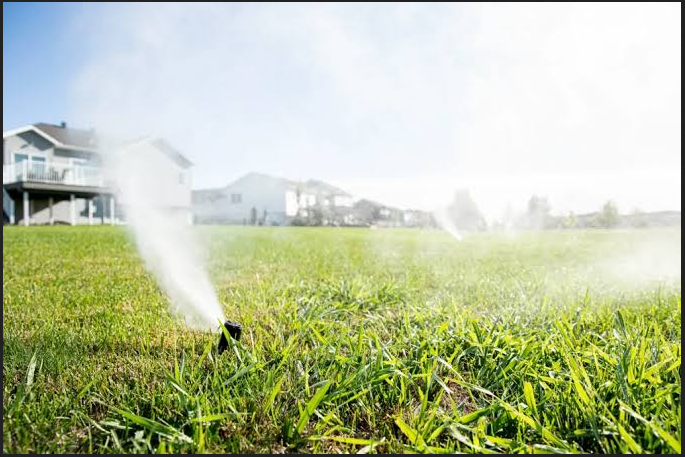
Irrigation systems are common in this region because soil conditions and weather patterns often fluctuate. A well-designed system distributes water efficiently, targeting roots rather than surfaces. This precision is helpful because it minimizes waste and encourages deeper root growth, which allows plants to better withstand dry spells.
However, an irrigation system in Horace requires regular attention to perform well. Over time, sprinkler heads may shift, nozzles can become clogged with debris or mineral deposits, and lines may develop leaks. Even minor misalignments can lead to uneven hydration, resulting in patches of stressed vegetation or areas of excessive moisture. Furthermore, the changing pressure levels in local water supplies can sometimes affect how effectively a system operates, making periodic adjustments to timing and output a standard part of landscape care.
How Irrigation Management Generally Works
Effective landscape hydration relies on understanding the specific water needs of different plant types. Rather than using a uniform schedule for an entire yard, a thoughtful approach groups plants with similar water requirements onto the same zone. This allows the controller to adjust the duration and frequency of watering for those specific areas.
A properly functioning system typically includes sensors that monitor moisture levels or weather conditions. These sensors act as a safeguard, preventing the system from running during rain or when soil saturation is already high. When evaluating the performance of an irrigation system in Horace, it is helpful to ask a service provider about the following:
-
How often the controller settings should be reviewed to match seasonal evaporation rates.
-
What signs indicate that a sprinkler head needs cleaning or replacement.
-
How to identify hidden leaks that might be causing spikes in water usage.
-
What steps are necessary to prepare the system for the onset of freezing temperatures.
Navigating Winter Access and Property Safety
As the climate shifts, the focus turns from hydration to removal. Property owners often rely on snow removal services in Fargo to ensure that driveways, walkways, and parking areas remain accessible. The primary challenge here is the variability of the weather; accumulations can range from light, wind-driven snow to heavy, dense pack, each requiring different equipment and removal techniques.
Consistency is a key factor in keeping a property safe. When snow is cleared promptly, it prevents the accumulation of layers that can compress and turn into ice. This is particularly relevant in areas with high traffic, as compacted snow creates significant hazards for both pedestrians and vehicles. Professional services often plan their routes and priorities in advance, ensuring that high-traffic entry points are addressed first to maintain operations regardless of the weather intensity.
Key Factors That Shape Effective Winter Maintenance
Choosing a service strategy for winter often involves balancing the size of the area to be cleared with the desired turnaround time. For larger commercial lots, the presence of equipment capable of moving significant volume quickly is essential. For residential properties, the ability to maneuver around landscaping features without causing damage is often the top priority.
When arranging for snow removal services in Fargo, consider the following factors:
-
The importance of a clear plan for where snow will be moved. Stacking snow too close to building foundations or near sensitive plant beds can lead to issues when the thaw begins.
-
The difference between clearing snow and managing ice. Some providers offer integrated salting or de-icing services, which are often vital for maintaining traction on paved surfaces.
-
Communication during major weather events. Knowing how a provider prioritizes their clients during severe storms helps set realistic expectations for when a property will be serviced.
Practical Ways to Approach Property Maintenance
Whether addressing water distribution or clearing winter hazards, the most successful approach is proactive rather than reactive. By scheduling seasonal inspections for irrigation and securing maintenance agreements before the first frost, property owners can avoid the stress of emergency repairs.
For those managing an irrigation system in Horace, consider asking a professional to perform a startup evaluation in the spring to confirm everything is operating correctly and a winterization visit in the autumn to prevent pipe damage. Similarly, for snow removal services in Fargo, discuss the scope of the service early in the year. Clarifying whether the agreement includes clearing the entire driveway, salting paths, or handling specific emergency clearing requests helps ensure that the property remains manageable throughout the changing seasons.
By treating these tasks as recurring, planned responsibilities rather than one-time events, property owners can ensure their landscape remains an asset year-round. Investing in regular, professional oversight often simplifies the process, leaving the outdoor space prepared for whatever conditions the next season brings.






+ There are no comments
Add yours