




 The Critical Role of Secure Gutter Systems in Property Maintenance
Effective water management is a fundamental aspect of building maintenance and exterior infrastructure planning. Improperly installed or poorly maintained gutter systems can lead to water damage, foundation erosion, and costly structural repairs. One often-overlooked component that significantly influences gutter performance is the fasteners used to secure the system. Gutter Hanger Screws have emerged as a reliable solution, designed to provide enhanced stability, resist environmental stressors, and maintain optimal drainage performance over time.
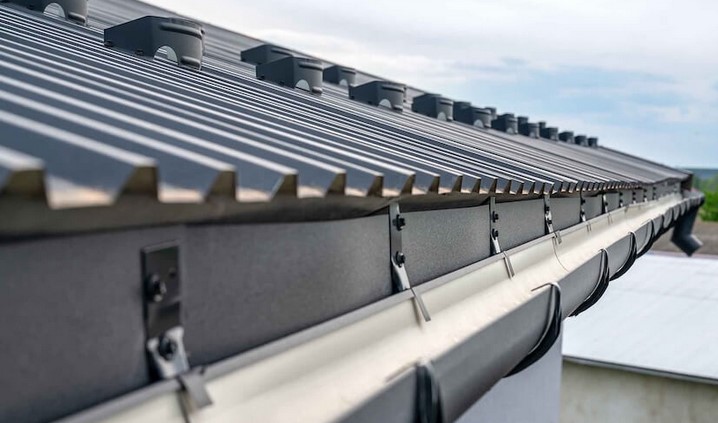
Traditional gutter systems often rely on nails or standard screws to attach hangers to fascia boards or roof edges. While these methods can initially hold the gutter in place, they are frequently prone to loosening under the impact of heavy rainfall, snow accumulation, or ice formation. As gutters sag or detach from their mounts, water flow becomes inconsistent, leading to overflow, erosion, and potential damage to building exteriors. By contrast, purpose-built gutter hanger screws offer a more secure, durable fastening method that ensures gutters maintain their intended slope and alignment, critical factors in effective water management.
Incorporating Gutter Hanger Screws into exterior infrastructure projects is therefore not merely a matter of convenience—it is a strategic measure that supports long-term durability, reduces maintenance frequency, and protects valuable property assets from water-related damage.
Structural and Functional Advantages of Gutter Hanger Screws
Understanding the design and functionality of gutter hanger screws highlights why they outperform traditional fastening methods. These screws are typically manufactured from corrosion-resistant materials such as stainless steel or coated alloys, allowing them to withstand prolonged exposure to moisture and extreme weather conditions without degrading.
One significant advantage is enhanced load-bearing capacity. Gutter hanger screws are engineered to securely anchor gutter hangers, ensuring the system can support the weight of accumulated water, debris, or ice. Unlike nails, which may loosen over time due to natural wood expansion and contraction, screws maintain their grip, reducing the risk of gutter sagging and detachment.
Another benefit is improved alignment control. Proper gutter pitch is essential for consistent drainage and the prevention of water pooling. By firmly securing hangers in precise locations, these screws help maintain the correct slope across the gutter run. This ensures efficient water flow toward downspouts and away from the building foundation, mitigating erosion and basement flooding risks.
Installation Techniques for Maximum Performance
Proper installation of gutter hanger screws is critical to achieving optimal performance. Even high-quality fasteners will underperform if installed incorrectly or without consideration for environmental and structural variables.
1. Pre-Drilling and Positioning
Pre-drilling pilot holes reduces the risk of splitting fascia boards, particularly when working with hardwood or composite materials. Positioning the screws correctly ensures even weight distribution across the gutter length and prevents sagging.
2. Appropriate Screw Length and Diameter
Selecting the correct screw length is essential to penetrate both the gutter hanger and the fascia board securely without causing structural damage. Longer screws may be necessary for thicker fascia materials or areas exposed to heavy snow loads.
3. Consistent Spacing
Uniform spacing of screws along the gutter line supports consistent pitch and minimizes stress on individual hangers. Typically, screws are placed every 18–24 inches, though this may vary depending on gutter material, local building codes, and environmental conditions.
4. Weatherproof Sealing
Applying a weather-resistant sealant around screw heads can provide additional protection against corrosion and moisture infiltration, further extending the lifespan of both the screws and the gutter system.
Applications and Long-Term Infrastructure Benefits
Gutter hanger screws are versatile tools suitable for residential, commercial, and industrial exterior infrastructure projects. Their use ensures that gutter systems maintain functionality under varying environmental conditions, from heavy rain and ice accumulation to high winds.
Residential Applications
Homeowners benefit from secure gutter systems as they protect roofing, siding, and foundations from water damage. Using screws designed specifically for gutter hangers reduces maintenance frequency, minimizes repair costs, and enhances the overall aesthetic appeal of exterior surfaces by keeping gutters aligned and unobtrusive.
Commercial and Industrial Infrastructure
Large-scale commercial buildings, warehouses, and industrial facilities often feature extensive gutter systems that require reliable fastening methods to manage higher volumes of water. Implementing gutter hanger screws in these contexts ensures structural integrity and consistent drainage performance, reducing the risk of property damage and costly downtime for repairs.
Maintenance and Lifecycle Advantages
Long-term maintenance is simplified when high-quality screws are used. Regular inspection is still recommended, particularly after storms or heavy snowfall, but screws provide a level of reliability that nails cannot match. Fewer loosening incidents mean reduced labor costs and less frequent replacement of gutter components.
Moreover, corrosion-resistant materials used in screw construction contribute to the sustainability of the system by extending its functional lifespan. This reduces waste and the environmental impact associated with frequent replacement of compromised fasteners.
Supporting Overall Water Management Strategy
Beyond individual gutter systems, secure fasteners contribute to a broader water management strategy. Efficient gutters protect landscaping, prevent foundation erosion, and reduce pressure on stormwater systems. By maintaining proper alignment and drainage efficiency, gutter hanger screws indirectly support property-wide water control and risk mitigation.
Technological Innovations in Gutter Fastening
Recent advances in fastener design have further improved the performance of gutter hanger screws. Self-drilling tips reduce installation time by eliminating the need for separate pilot hole drilling, while coated screws enhance corrosion resistance. Some systems also incorporate vibration-resistant threading, which ensures screws remain secure despite environmental fluctuations or building movement.
These innovations make installation faster, safer, and more reliable, offering practical advantages for both professional contractors and property maintenance teams.
Ensuring the long-term reliability of exterior drainage infrastructure requires careful attention to both system design and component selection. While gutters themselves are critical for directing water away from structures, the fasteners that secure them are equally important. Gutter Hanger Screws provide superior stability, corrosion resistance, and alignment control compared to traditional nails or standard screws. Proper installation and strategic use of these fasteners enhance overall drainage performance, reduce maintenance requirements, and protect valuable property assets from water damage. By integrating Gutter Hanger Screws into exterior infrastructure projects, property owners and maintenance teams can achieve a resilient, efficient, and low-maintenance gutter system capable of withstanding diverse environmental challenges for years to come.





+ There are no comments
Add yours