




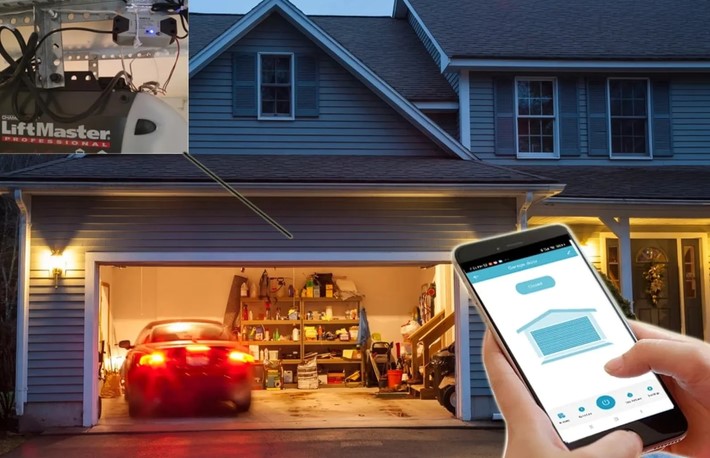
We have all experienced that cold spike of anxiety ten miles down the interstate: Did I actually press the button to close the garage door? A few years ago, I got an urgent call from a homeowner who had driven all the way to the airport for a two-week vacation, only to realize his overhead door had been standing wide open for four hours.
In my ten-plus years of retrofitting residential structures and troubleshooting home automation, I have found that the garage door is no longer just a place to park your car. It is the largest moving mechanical structure in your home and, statistically, the primary entry point for over 70% of modern residential break-ins.
Traditional remotes were a revolutionary convenience in the 1980s, but today they represent a glaring security hole. Transitioning to a modern smart garage opener turns a simple mechanical hoist into an intelligent access hub. It gives you real-time oversight, automated security routines, and absolute control over your home’s front line of defense.
Beyond the Remote: How a Smart Garage Opener Redefines Home Logistics
To appreciate the upgrade, think of a traditional garage opener like an old-fashioned physical padlock. Anyone who finds the key—or intercepts the radio signal—gets full access to everything inside.
A smart garage opener, on the other hand, functions like an air traffic control system for your home. It doesn’t just open and close a heavy door; it logs telemetry, verifies identity, coordinates timed access for delivery drivers, and communicates continuously with your home automation network.
Instead of relying on line-of-sight radio frequencies that can be cloned, a smart unit connects directly to your home Wi-Fi network via 128-bit or 256-bit encrypted protocols. This lets you monitor door position, track entry logs, and operate the mechanism from anywhere in the world using a smartphone interface.
Anomaly in the Engine: Hardware and Motor Architecture
When homeowners ask me for advice on upgrading, they often focus entirely on app features. However, as a field expert, I always remind them that the smartest software in the world is useless if the underlying drive hardware fails.
+-----------------------------------------------------------------------+
|                GARAGE OPENER DRIVE MECHANISM MATRIX                   |
+-----------------------------------------------------------------------+
| Drive Type     | Noise Level | Maintenance Needs | Operational Life   |
+-----------------------------------------------------------------------+
| Chain Drive    | High        | Moderate (Grease) | 10 - 15 Years      |
| Belt Drive     | Ultra-Low   | Low               | 15 - 20 Years      |
| Direct/Wall    | Silent      | Minimal           | 20+ Years          |
+-----------------------------------------------------------------------+
1. AC vs. DC Motors
Older systems rely on Heavy Alternating Current (AC) motors that snap on with aggressive torque, shaking the ceiling joists above your bedroom. Modern smart openers utilize Direct Current (DC) motors. DC power allows for variable speed control, meaning the door starts smoothly, accelerates, and gently decelerates before touching the slab, drastically reducing wear and tear on your torsion springs.
2. Belt Drive vs. Wall-Mount Jackshafts
While heavy-duty chain drives are durable, steel-reinforced rubber belt drives offer whisper-quiet operation that won’t wake up the house. If you have low ceiling clearance or high-lift tracks, consider a wall-mounted jackshaft opener. It mounts beside the door on the torsion bar, freeing up overhead space while providing raw lifting power.
3. Integrated Battery Backup Systems
A smart system is only smart if it works during a storm. Top-tier smart openers feature integrated lithium-ion or sealed lead-acid battery backups. When severe weather knocks out grid power, the internal battery ensures you can still park your vehicle safely inside without fighting a heavy, dead door.
Security Mechanics: Defeating the “Coat Hanger” Trick and Signal Intercepts
One of the most eye-opening demonstrations I perform for clients involves an ordinary wire coat hanger. In under ten seconds, a thief can slide a coat hanger through the top rubber seal of an older garage door, catch the emergency release cord, pull it, and manually roll the door up.
+-------------------------------------------------------------------+
|              SMART GARAGE OPENER SECURITY PROTOCOL                |
+-------------------------------------------------------------------+
| 1. Dynamic Rolling Code Encryption (Prevents Signal Replay)       |
| 2. Real-Time Push Telemetry (Instant Door Status Alerts)          |
| 3. Geo-Fencing Perimeter Seals (Automated Closing via GPS)        |
| 4. Automatic Mechanical Deadbolts (Physical Track Lockout)        |
+-------------------------------------------------------------------+
Modern smart systems neutralize these attack vectors through multi-layered physical and digital security protocols.
-
Security+ 2.0 and Rolling Codes: Every time you trigger your smart garage opener, the device uses an algorithm to choose a new code from billions of combinations. Even if a hacker records your wireless signal, that specific code is instantly rendered useless.
-
Automatic Power Locks: Premium smart openers come equipped with an automatic mechanical deadbolt that physically drives a steel bolt through the door track when the door closes. Even if someone disengages the emergency cord, the door physically cannot be lifted.
-
Geo-Fencing and Auto-Close Schedules: You can configure your app to construct a digital perimeter around your property. If your vehicle leaves a 500-foot radius while the garage is open, your phone issues a high-priority prompt or automatically closes the door for you.
Hidden Warning: The Emergency Release Cord VulnerabilityIf your garage door features a standard manual emergency release rope with an exposed red handle, cut the cord high enough so it cannot be reached from outside with a wire coat hanger. Alternatively, install a cheap plastic emergency release shield over the trolley mechanism to block external fishing tools.
Native Replacement vs. Smart Retrofit Modules: Which Path to Take?
You don’t always need to tear out your entire existing opener to get smart capabilities. Depending on your budget and mechanical condition, you have two primary upgrade paths:
Option A: The Full System Replacement
If your motor is over 10 to 12 years old, noisy, or lacks safety sensors, replace the entire unit with a dedicated smart garage opener. Native smart units come with built-in Wi-Fi, integrated wide-angle HD cameras, two-way audio, and internal smart controllers right out of the box.
Option B: The Add-On Smart Hub Retrofit
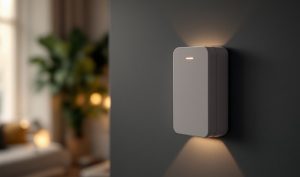
If your existing motor is running smoothly and was manufactured after 1993 (meaning it has functional optical safety sensors), you can add a smart bridge module. These units consist of a Wi-Fi sensor attached to the door panel and an encrypted transmitter wired directly to your motor’s wall button terminals.
Pro Tip: Perform a Wi-Fi Strength Audit FirstBefore spending a dime on smart garage hardware, park your car in the garage, close the door completely, and run a speed test on your phone. Garages are isolated by thick firewalls, insulated doors, and masonry walls that block wireless signals. If your signal drops below 2 bars, install a inexpensive mesh Wi-Fi node or range extender in the adjacent room before setting up your opener.
Step-by-Step Installation Checkpoints for Peak Performance
Installing a smart opener system is a manageable weekend DIY project, but precise calibration is vital for safe operation.
-
Balance the Door First: Disconnect your current opener and manually lift the door halfway up. If it falls shut or shoots open on its own, your torsion springs are out of balance. Call a professional to balance the springs before installing a new opener.
-
Mount the Optical Safety Sensors: Position the infrared safety eyes no higher than 6 inches above the garage floor slab. Align them carefully until the indicator LEDs glow solid, ensuring the beam isn’t degraded by direct afternoon sunlight.
-
Calibrate Travel Limits and Force: Once your smart garage opener is powered on, run the digital limit setup. Place a 2×4 wooden block flat on the floor beneath the door; the motor should instantly reverse direction upon touching the wood. If it crushes the wood, lower your down-force limits immediately.
Final Thoughts: Secure Your Home’s Largest Entry Point
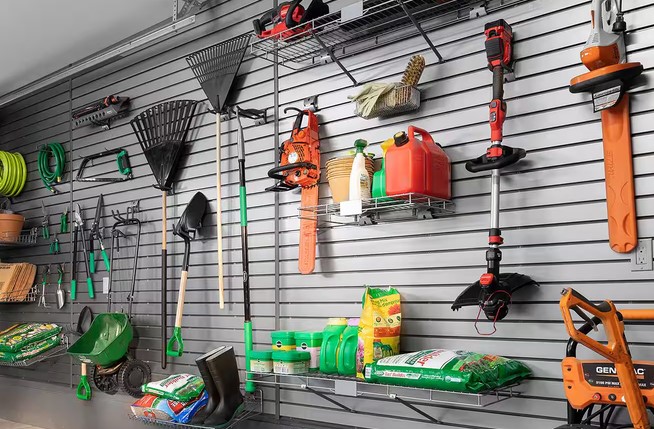
Your garage is more than just a storage area for vehicles, tools, and sports equipment—it is the gateway to your home’s interior. Continuing to rely on outdated, unencrypted radio remotes leaves your property vulnerable to modern break-in tactics and simple human forgetfulness.
Upgrading to a smart garage opener provides actionable security, real-time access logs, and complete peace of mind no matter how far away from home you travel.
Are you thinking about upgrading your garage access, or do you currently use a smart hub system? Have you ever had a close call with a garage door left open overnight? Share your thoughts, questions, or setup ideas in the comments below—I’d love to help you optimize your home security!






+ There are no comments
Add yours