




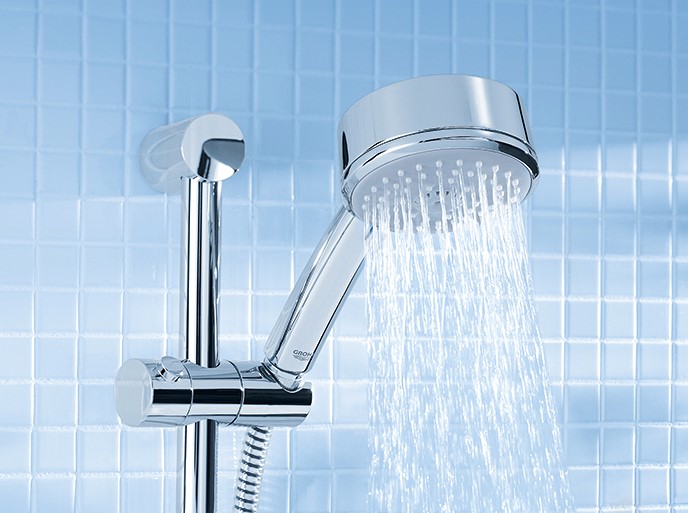
In the pursuit of sustainability and reducing environmental impact, small changes in our daily routines can make a significant difference. One such change is upgrading to water-saving shower heads. These innovative fixtures are designed to reduce water consumption while still providing an enjoyable and effective shower experience. With increasing concerns over water conservation and rising utility bills, water-saving shower heads have become an essential choice for homeowners looking to lower their environmental footprint and save money. In this article, we will delve into the benefits of water-saving shower heads, how they work, and how to choose the right one for your bathroom.
Understanding Water-Saving Shower Heads
Water-saving shower heads, also known as low-flow shower heads, are designed to reduce the amount of water used during a shower without sacrificing water pressure or comfort. Traditional shower heads can use anywhere between 2.5 to 5 gallons of water per minute (GPM), whereas water-saving models use as little as 1.5 to 2 gallons per minute. By regulating the flow of water while maintaining pressure, these eco-friendly fixtures help conserve water and lower energy consumption.
How Do Water-Saving Shower Heads Work?
The key to the functionality of water-saving shower heads lies in their engineering. These shower heads use a combination of mechanisms to reduce water flow, such as:
- Aerators: Aerating shower heads mix air with water, creating a softer spray without using more water. The air bubbles give the illusion of a higher flow, but the water flow itself is reduced.
- Pressure Compensating Technology: Some modern water-saving shower heads come with pressure-compensating valves, which adjust the water pressure to ensure consistent flow even if water pressure in the pipes fluctuates.
- Flow Restrictors: These are small devices built into the shower head that restrict the amount of water passing through. They help maintain an efficient water flow while ensuring the shower still feels comfortable.
By utilizing these technologies, water-saving shower heads can significantly reduce water consumption, making them an excellent choice for both environmentally conscious individuals and those looking to cut down on their water bills.
Benefits of Water-Saving Shower Heads
Investing in water-saving shower heads can offer a wide range of benefits for your home and the environment. From conserving water to reducing energy costs, these fixtures provide a practical solution for a more sustainable lifestyle. Let’s explore the main advantages:
1. Conserving Water Resources
One of the most obvious benefits of water-saving shower heads is their ability to conserve water. With freshwater resources becoming increasingly scarce in some regions, it’s important to do our part in using water responsibly. Showering accounts for a significant portion of household water use, with the average person using up to 17 gallons of water per shower. By switching to a water-saving shower head, you can reduce your water consumption by up to 50%, helping to preserve this precious resource.
- Environmental Impact: Reducing water usage can help decrease the strain on local water supplies, which is particularly important in areas experiencing drought or water shortages.
- Reduced Water Treatment Demand: The less water you use, the less energy is required to treat and pump that water to your home, which ultimately results in less pollution and fewer emissions associated with water treatment processes.
2. Lower Energy Bills
In addition to saving water, water-saving shower heads also help lower energy costs. When you use less water, your water heater doesn’t have to work as hard to heat the water for your shower. This leads to reduced energy consumption, saving both money and energy. The cost savings from using a water-saving shower head can add up significantly over time.
- Water Heating Costs: Heating water accounts for a large portion of a home’s energy bills, often around 18% of total household energy use. By using less hot water, you’ll reduce the need for heating and therefore lower your utility bills.
- Efficient Showering: Many water-saving models also include features like adjustable pressure settings, so you can find the perfect balance between water savings and comfort.
3. Enhanced Comfort and Shower Experience
Many people associate water-saving fixtures with a loss of comfort, but modern technology has changed that perception. Water-saving shower heads are designed to deliver a luxurious shower experience while using less water. Advances in design, such as pressure-compensating technology, allow these shower heads to maintain an optimal water flow, ensuring a satisfying shower experience even with reduced water use.
- Pressure Consistency: Newer models provide a steady, even flow of water, ensuring that you won’t feel like you’re taking a weak or unsatisfying shower.
- Customizable Settings: Many water-saving shower heads come with adjustable spray patterns, so you can choose between a gentle mist or a stronger massage-like spray, based on your preference.
4. Cost-Effective Investment
While the initial investment in a water-saving shower head may be slightly higher than a traditional model, the long-term cost savings are substantial. With lower water and energy bills, the fixture will quickly pay for itself in terms of savings.
- Durability: High-quality water-saving shower heads are made with durable materials, ensuring that they will last for many years. Most models are also designed to resist mineral buildup and corrosion, which can prolong their lifespan.
- Rebates and Incentives: In some regions, governments and utility companies offer rebates or incentives for purchasing water-saving appliances, including shower heads. This can make the initial investment more affordable.
Choosing the Right Water-Saving Shower Head
With so many water-saving shower heads on the market, it’s important to select the right one for your bathroom. Here are some factors to consider when making your choice:
1. Water Flow Rate
Look for a shower head with a low flow rate, ideally 2.0 GPM (gallons per minute) or lower. The U.S. Environmental Protection Agency (EPA) has a WaterSense certification, which indicates that the product meets specific water efficiency and performance criteria. A WaterSense-certified shower head can save you up to 2,900 gallons of water annually.
2. Spray Patterns and Adjustability
Consider how adjustable the spray pattern is. Some water-saving shower heads offer multiple settings, including rain, massage, and mist. This feature can give you more control over your shower experience while still conserving water. Choose one that fits your preferences for pressure and comfort.
3. Ease of Installation
Many water-saving shower heads are easy to install and don’t require professional help. Simply screw the new head onto your existing shower arm, and you’re ready to go. Look for a model with clear installation instructions, especially if you’re planning on DIY installation.
4. Durability and Material
Choose a shower head made from high-quality materials like stainless steel or brass for long-term durability. These materials are resistant to rust, corrosion, and mineral buildup, ensuring that your water-saving shower head will continue to perform effectively for years.
Switching to water-saving shower heads is a simple and effective way to make your bathroom more eco-friendly while also reducing your utility bills. These fixtures allow you to conserve water, save energy, and enjoy a satisfying shower experience. Whether you’re concerned about your environmental impact or looking for ways to cut back on your water and energy costs, water-saving shower heads provide a practical solution. By selecting the right model for your needs and maintaining it properly, you can enjoy a luxurious shower while doing your part to protect the planet. Making the switch to a water-saving shower head is not only a smart financial decision but also an important step in creating a more sustainable home.







+ There are no comments
Add yours