





The Strategic Value of Minimalist Residential Design
In today’s evolving housing market, homeowners and property investors are increasingly seeking design approaches that maximize both aesthetic value and long-term utility. One concept that continues to gain global recognition is Scandi Home Design, a philosophy rooted in simplicity, functionality, and harmonious living environments. This design approach, inspired by Nordic architecture and lifestyle, emphasizes clean lines, natural materials, and efficient use of space. As a result, it has become a strategic solution for individuals aiming to enhance the practical and financial value of residential properties.
Modern real estate portfolios benefit greatly from design frameworks that are adaptable, timeless, and appealing to a wide range of occupants. Scandinavian-inspired interiors offer exactly that balance. Unlike trend-driven styles that can quickly become outdated, this design philosophy relies on neutral palettes, uncluttered layouts, and sustainable materials that remain relevant over time.
From an investment perspective, properties that incorporate thoughtful design often experience stronger market demand. Prospective buyers and renters are more likely to be drawn to homes that feel spacious, organized, and comfortable. By integrating minimalist principles into residential planning, property owners can transform ordinary living spaces into high-utility environments that deliver long-term lifestyle and financial benefits.
Core Principles of Scandinavian-Inspired Living Spaces
The foundation of Scandinavian design lies in its ability to combine beauty with practicality. Originating in Nordic countries where winters are long and daylight is limited, the design philosophy prioritizes light, warmth, and functionality.
One of the most recognizable characteristics of Scandinavian interiors is the emphasis on natural light. Large windows, light-colored walls, and reflective surfaces help distribute daylight evenly throughout a room. This approach creates an atmosphere that feels open and uplifting, even in compact spaces.
Another key element is the use of natural materials. Wood, wool, linen, and stone are commonly incorporated to introduce warmth and texture. These materials not only enhance visual appeal but also support sustainability goals by reducing reliance on synthetic components.
Minimalism also plays a central role. However, Scandinavian minimalism differs from stark or overly rigid minimalist styles. Instead of eliminating personality, it focuses on removing unnecessary clutter while preserving meaningful objects and comfortable furnishings.
Functionality is equally important. Every piece of furniture or decorative element is expected to serve a purpose. Multi-functional furniture—such as storage benches, foldable tables, and modular shelving—helps maximize usability, particularly in urban living environments where space is limited.
Designing Spaces That Balance Comfort and Efficiency
To fully implement Scandinavian design principles, homeowners must consider how each area of the home supports daily activities and overall comfort.
1. Living Areas
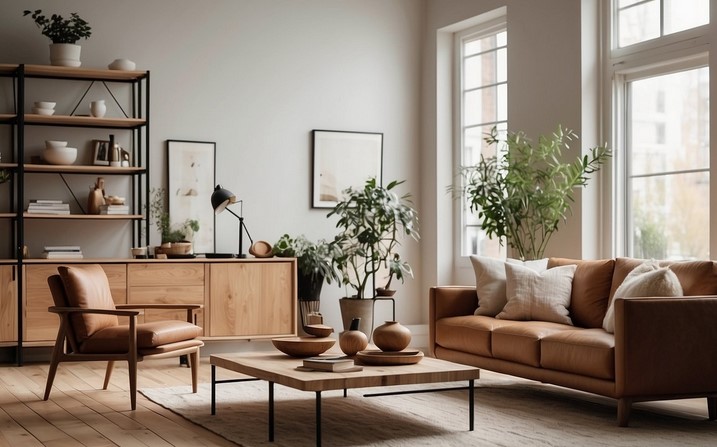
The living room typically acts as the central gathering space in a home. Scandinavian design encourages open layouts that allow natural light to flow freely. Neutral-colored sofas, soft textiles, and simple wooden furniture create a calm environment that promotes relaxation and social interaction.
Layered lighting is another important aspect. Instead of relying on a single ceiling fixture, multiple light sources—such as floor lamps, wall sconces, and table lamps—help establish a warm and welcoming atmosphere during evenings.
2. Kitchen Spaces
In Scandinavian homes, the kitchen is often designed with efficiency in mind. Clean cabinetry, hidden storage, and uncluttered countertops make the space both practical and visually appealing. Light wood finishes combined with white surfaces maintain brightness and reinforce the minimalist aesthetic.
Functional organization systems also help streamline cooking routines. Pull-out drawers, vertical storage, and integrated appliances ensure that every item has a designated place.
3. Bedrooms
Bedrooms within Scandinavian interiors focus on tranquility and simplicity. Soft fabrics, neutral bedding, and subtle color accents contribute to a peaceful environment conducive to rest. Natural light is carefully balanced with blackout curtains or soft lighting options for nighttime comfort.
Furniture placement is typically minimal to preserve openness and reduce visual distractions.
4. Work and Study Areas
As remote work becomes more common, Scandinavian design principles adapt well to home office environments. Clean desks, ergonomic seating, and clutter-free surfaces encourage productivity while maintaining the calm aesthetic of the overall home.
Natural light remains a priority, and small plants are often introduced to enhance the connection between indoor spaces and nature.
Enhancing Property Portfolio Performance Through Design
Beyond aesthetic benefits, Scandinavian design offers tangible advantages for property portfolio management. Investors who apply these principles across multiple properties can create a consistent design identity that appeals to a broad demographic of tenants and buyers.
One major advantage is universal appeal. Because Scandinavian design emphasizes neutral tones and simple forms, it avoids polarizing stylistic choices. This makes properties easier to market to diverse audiences.
Another benefit lies in durability and sustainability. Natural materials often age more gracefully than synthetic alternatives. High-quality wood flooring, for example, can maintain its beauty for decades with proper care. Sustainable design choices also align with growing consumer awareness regarding environmental responsibility.
Operational efficiency is another key factor. Minimalist interiors require fewer decorative elements and are easier to maintain. This reduces cleaning time, simplifies property staging for resale, and minimizes long-term maintenance costs.
From a psychological perspective, well-organized and visually balanced environments positively influence occupants’ mood and productivity. Homes designed with these principles often feel more spacious, even when the physical footprint is relatively small. This perception of space can significantly enhance property value.
Additionally, the integration of greenery—such as indoor plants or small herb gardens—supports wellness-oriented living environments. These natural elements reinforce the connection between indoor comfort and outdoor serenity, which is a hallmark of Scandinavian lifestyles.
Future Trends in Scandinavian-Inspired Residential Design
As housing preferences evolve, Scandinavian design continues to adapt while preserving its core values. Several emerging trends are shaping the next generation of minimalist living spaces.
One trend is the integration of smart home technology within minimalist interiors. Hidden charging stations, discreet lighting automation, and energy-efficient climate control systems enhance convenience without disrupting the clean visual aesthetic.
Another trend involves the use of biophilic design elements, which strengthen the connection between humans and nature. Large indoor plants, natural ventilation strategies, and organic textures contribute to healthier indoor environments.
Flexible living spaces are also becoming more common. Modular furniture and movable partitions allow rooms to adapt to different functions throughout the day, supporting both work and leisure activities.
These innovations demonstrate how Scandinavian design principles can evolve alongside technological and lifestyle changes while maintaining their timeless simplicity.
In an increasingly competitive real estate landscape, design strategies that combine functionality, aesthetic appeal, and long-term adaptability offer significant advantages. Scandinavian design provides a proven framework for achieving these goals through its emphasis on simplicity, natural materials, and efficient spatial organization. By implementing these principles across residential spaces, property owners can create environments that are both visually appealing and highly practical. The result is a living space that supports comfort, productivity, and sustainability while strengthening the overall value of a property portfolio. Ultimately, integrating Scandi Home Design principles enables homeowners and investors to develop versatile, future-ready spaces that balance beauty and practicality, ensuring the enduring relevance of Scandi Home Design in modern residential architecture.












+ There are no comments
Add yours