






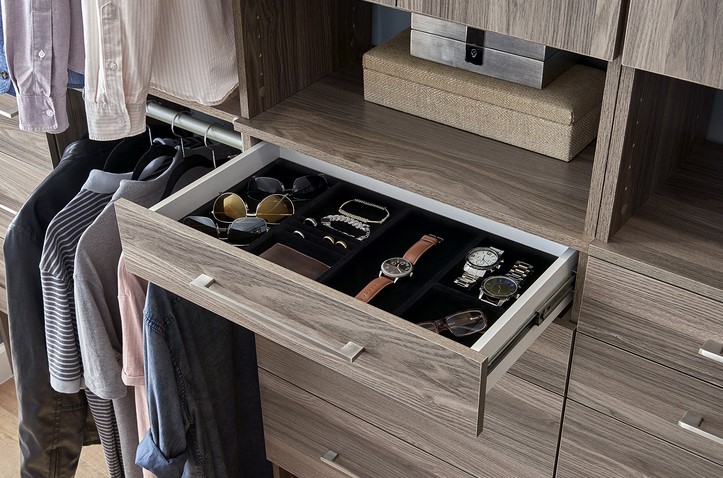
You are getting ready for a major event, a night where you want to look your absolute best. You open your closet, reach into a tangled, chaotic heap of accessories on a shelf, and pull out your favorite gold necklace—only to find it hopelessly knotted around a pair of diamond studs. You spend twenty frustrating minutes picking at the knot, destroying your mood, and missing your departure window. Even worse, during a routine home safety assessment, many homeowners realize that leaving high-value heirlooms scattered in random, visible dishes makes them a prime target for opportunistic theft.
In my 10+ years as a home improvement expert, I have remodeled hundreds of master suites and custom walk-in closets. I have noticed a fascinating paradox: people will willingly invest thousands of dollars in high-tech home security cameras and deadbolts, yet they leave their most intimate, high-value assets completely unprotected and unorganized inside their own bedrooms. Security isn’t just about keeping intruders out of your house; it is about establishing layered protection within your layout.
The ultimate secret weapon to bridging the gap between elegant organization and tactical asset protection is a professionally integrated closet jewelry tray system. Let’s look at how this simple drawer optimization can safeguard your investments while streamlining your morning routine.
The Philosophy of Layered Security: Out of Sight, Peace of Mind
When most people think of protecting jewelry, they picture a heavy, conspicuous steel safe sitting in the corner of the room. While a standalone safe has its place, it also acts as a giant neon sign screaming “valuable items here” to any dishonest contractor, house sitter, or intruder who catches a glimpse of it.
True security in modern home design relies on concealment and integration. This is where a dedicated closet jewelry tray excels.
Expert Analogy: Think of your master closet like a premium smartphone. Your home security system is the lock screen password—it keeps unauthorized users out. Integrating a hidden jewelry tray inside a sleek, soft-close drawer runner system is like using biometrics to lock down your banking apps inside the phone. It adds an invisible layer of defense where people least expect it.
By organizing your assets into customized, low-profile drawer inserts, you remove the visual temptation from open countertops while protecting delicate gemstones from damaging dust, UV exposure, and friction.
Material Matters: Velvet, Leather, and Anti-Tarnish Tech
During my years in the field, I have seen precious metals ruined because homeowners chose the wrong storage materials. When selecting or building your closet jewelry tray, the internal lining material is a critical technical specification.
Velvet and Flock Linings
High-density velvet or flocked acrylic inserts are the gold standard for everyday protection. The microscopic fibers provide a cushioned, non-slip bed that keeps delicate ring shanks and polished platinum bands from sliding around and scratching one another when the drawer is opened or closed.
The Hidden Threat of Off-Gassing
Here is an insider insight that only a seasoned woodworker or contractor will tell you: cheap, imported trays often utilize toxic adhesives containing high levels of formaldehyde. Over time, these adhesives undergo a chemical process called off-gassing within enclosed drawer boxes.
This toxic vapor accelerates the oxidation process, causing your sterling silver to tarnish and turn black overnight. Always ensure your storage trays specify acid-free adhesives and anti-tarnish fabric technologies.
Tailoring Your Layout: Choosing Your Configuration Profile
An effective organization system must match your specific inventory. When planning your custom drawer build-out, consider these three core modular layout options:
[ Ring Rolls Zone ] [ Divided Grid Compartments ]
=================================================
[       Open Watch & Bracelet Channels          ]
-
Ring Rolls: Dense, padded foam rows wrapped in velvet. They hold rings and stud earrings securely upright via compression, maximizing vertical space.
-
Divided Grids: Small, square compartments (typically 1×1 or 2×2 inches). These are essential for keeping delicate chains from tangling and isolating pendant necklaces.
-
Deep Watch Channels: Wider, elongated slots equipped with soft pillows designed to maintain the structural shape of luxury watch bands and leather straps.
Step-by-Step Installation: Retrofitting a Custom Drawer Insert
You do not need to hire an expensive custom closet company to achieve a professional, integrated look. If you have an existing dresser or closet drawer, you can install a premium closet jewelry tray system with absolute precision over a single weekend.
Tools and Materials Required:
-
High-quality modular jewelry tray inserts
-
Double-sided acrylic mounting tape or silicone adhesive
-
Fine-tooth miter saw or utility knife (if using trimmable acrylic trays)
-
Steel tape measure
-
Microfiber cloth and rubbing alcohol
Step 1: Measure with Absolute Precision
Empty your target drawer completely. Measure the internal width, depth, and height of the drawer box using a steel tape measure. Do not measure from the outside face of the drawer. Pay close attention to clearance heights so your taller rings don’t catch on the upper frame when sliding the drawer shut.
Step 2: Selecting the Configuration Fit
Look for modular trays that can be mixed and matched to fill the exact dimensions of your drawer footprint. If you cannot find a perfect fit, buy an oversized, trimmable velvet-wrapped acrylic matrix tray and cut down the sacrificial perimeter edges using a fine-tooth miter saw for a seamless wall-to-wall look.
Step 3: Prepping the Subsurface
Clean the interior wood or laminate base of the drawer box thoroughly with rubbing alcohol and a microfiber cloth to remove any lingering sawdust, manufacturing oils, or household grime. Let it dry completely.
Step 4: Securing the Trays
To prevent the trays from sliding back and forth every time you open the drawer, apply small strips of high-bond, double-sided acrylic mounting tape to the underside corners of the tray bodies. Press the inserts firmly into the bottom of the drawer box, starting from the front face and working your way back.
Step 5: Smooth-Glide Testing
Gently open and close the drawer several times. If your drawer utilizes adjustable ball-bearing slides, ensure they are perfectly leveled so the drawer doesn’t drift open on its own, exposing your high-value assets to plain sight.
Expert Advice: Pro Tips and Hidden Pitfalls
Before you finalize your closet organization project, keep these hard-earned professional security tips top of mind:
-
The Hidden False Bottom Trick: If you want to elevate your asset protection to the next level, build a shallower drawer box than the exterior drawer face implies. Install your closet jewelry tray as a removable top tier that sits on a hidden ledge, leaving a secret 2-inch compartment underneath for passports, cash, or rare documents.
-
The Velvet Color Mistake: Avoid bright white or cream-colored velvet linings. While they look striking in product photos, the natural oils from your skin and residual hand lotions will quickly leave dingy, yellow stains on light fabrics over time. Opt for charcoal grey, deep navy, or classic black velvet to keep the installation looking pristine for decades.
-
Beware of Direct Light: If your walk-in closet features a window or skylight, ensure your jewelry drawers are placed well out of the path of direct sunlight. Intense UV radiation can break down the natural oils in organic gems like opals and pearls, causing them to crack, discolor, and lose their luster.
Elevating Your Daily Rituals
True home improvement isn’t merely about visual grandeur; it’s about engineering daily convenience and protecting the things that matter most to you. Upgrading your master closet with an organized, secure closet jewelry tray system transforms a chaotic morning scramble into a serene, boutique-like experience.
It is an affordable, high-impact DIY upgrade that delivers structural beauty to your closet layout while ensuring your cherished family heirlooms remain safe, untangled, and pristine for generations to come.
How is your collection currently stored? Are you fighting a daily battle against tangled silver necklaces, or are you looking for a clever way to integrate a hidden valuables compartment into your existing bedroom cabinetry? Drop a comment below, and let’s plan your custom closet upgrade together!










+ There are no comments
Add yours