






As energy costs rise and environmental concerns become more pressing, homeowners are increasingly looking for ways to reduce energy consumption while still enjoying modern comforts. One of the most effective and cost-efficient methods to achieve this goal is through DIY energy-efficient upgrades. Not only do these upgrades help lower utility bills, but they also contribute to a more sustainable future by reducing your household’s carbon footprint. Whether you’re a seasoned DIY enthusiast or a beginner, there are plenty of straightforward projects that can make a significant impact on your home’s energy efficiency.
Why DIY Energy-Efficient Upgrades Matter
Incorporating energy-efficient practices into your home is no longer just a trend—it’s an essential step toward reducing environmental impact and saving money. According to the U.S. Department of Energy, the average household spends a significant portion of its income on energy bills, with heating and cooling accounting for nearly half of this total. Making energy-efficient upgrades can help you trim these costs while also boosting the comfort and value of your home.
Many homeowners assume that energy-efficient upgrades are costly or complicated, but that’s simply not the case. With a little research, planning, and some basic tools, most of these improvements can be completed in a weekend, and often for less than the price of a monthly utility bill. Whether you aim to enhance insulation, reduce air leaks, or upgrade appliances, these simple DIY projects can yield long-term savings and environmental benefits.
Common DIY Energy-Efficient Upgrades
There are a variety of DIY energy-efficient upgrades that can be completed without needing professional help. These projects are designed to improve the overall efficiency of your home, making it more comfortable and environmentally friendly. Below are some of the most effective and straightforward upgrades to consider.
- Install Energy-Efficient Light Bulbs
One of the simplest and most cost-effective energy-efficient upgrades is switching out traditional incandescent light bulbs for energy-efficient alternatives such as compact fluorescent lamps (CFLs) or light-emitting diode (LED) bulbs. LED bulbs use up to 80% less energy and last up to 25 times longer than incandescent bulbs, reducing both energy consumption and the need for frequent replacements.These upgrades can be done in every room of your house, including closets, hallways, and outdoor areas. While LED bulbs may have a higher upfront cost, they pay for themselves over time through energy savings. With the energy-efficient lighting in place, you’ll notice a reduction in your electricity bills almost immediately.
- Seal Air Leaks Around Windows and Doors
Even the most energy-efficient homes can suffer from drafts caused by gaps or cracks around windows and doors. These small leaks allow conditioned air to escape and unconditioned air to enter, causing your HVAC system to work harder than necessary. Sealing air leaks is one of the most effective and low-cost DIY energy-efficient upgrades you can make.Use weatherstripping or caulk to seal gaps around windows, doors, and even outlets or switch plates. For larger gaps or cracks, consider applying expandable foam sealant. Insulating these areas not only improves your home’s energy efficiency but also enhances comfort by maintaining a consistent indoor temperature.
- Add Insulation to Attic and Walls
Insulation plays a vital role in preventing heat loss in winter and keeping your home cool in summer. Adding or upgrading insulation in your attic or walls can help reduce the strain on your heating and cooling systems. While insulating your home may seem like an extensive project, it’s relatively easy for the average homeowner to add insulation to accessible areas like the attic.Insulation materials such as fiberglass batt insulation or spray foam can be purchased at most home improvement stores. Simply follow the manufacturer’s instructions and install the insulation between the joists or studs to prevent heat from escaping. Even small improvements can make a noticeable difference in energy savings and comfort.
Additional DIY Energy-Efficient Upgrades
Beyond lighting, air sealing, and insulation, there are other DIY projects that can further enhance your home’s energy efficiency.
- Upgrade Your Thermostat
Installing a programmable thermostat is an easy DIY project that can yield substantial savings. Programmable thermostats allow you to set specific temperatures for different times of the day, such as lowering the temperature while you’re at work or raising it just before you return home. Many modern smart thermostats also learn your schedule and adjust temperatures automatically, ensuring maximum efficiency and comfort. - Install Window Film
Window films are a cost-effective way to reduce heat gain in summer and heat loss in winter. These films are easy to install on existing windows and provide an extra layer of insulation. Some types of window films can also block harmful UV rays, which can damage furniture and flooring over time. Window film can be a quick and relatively inexpensive way to enhance your home’s energy performance. - Upgrade to Energy-Efficient Appliances
If your budget allows, consider upgrading older appliances like refrigerators, dishwashers, and washing machines to newer, energy-efficient models. Many appliances now come with the ENERGY STAR label, which indicates they meet high standards for energy performance. While replacing appliances can be a larger investment, energy-efficient models can reduce utility costs in the long run. - Install Solar Panels or Solar Water Heating Systems
If you’re ready for a more significant DIY energy-efficient upgrade, installing solar panels or a solar water heating system can drastically reduce your reliance on grid power. Solar panel kits are available for homeowners who want to take on the installation themselves. However, it’s essential to research local regulations, roof orientation, and potential energy savings before pursuing this project.
Maintaining Your Energy-Efficient Upgrades
After you’ve completed your DIY energy-efficient upgrades, regular maintenance is key to ensuring their long-term effectiveness. For example, periodically check the condition of your insulation, weatherstripping, and air filters. Cleaning and maintaining your HVAC system can also prolong its lifespan and improve energy efficiency.
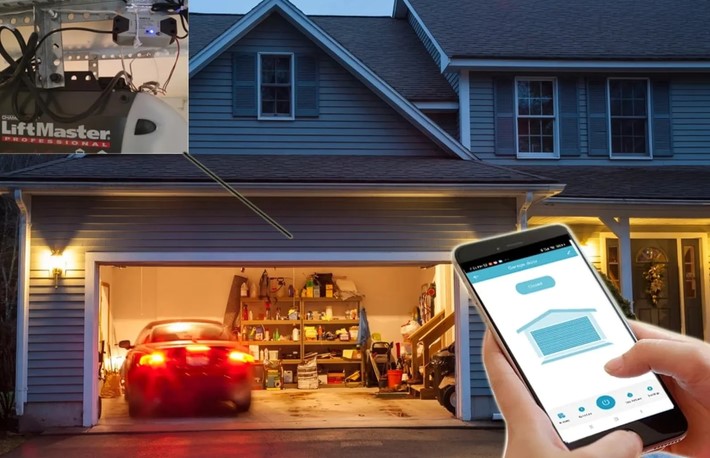
Additionally, monitor your energy usage through tools such as energy meters or smart home apps. This can help you identify areas that may require further improvement or adjustments in usage patterns.
Taking the initiative to perform DIY energy-efficient upgrades is a great way to reduce energy consumption, lower your utility bills, and contribute to a more sustainable future. From simple changes like switching to LED bulbs and sealing air leaks to more involved projects like adding insulation or installing a programmable thermostat, there are numerous options to fit your budget and skills. By prioritizing energy efficiency, you not only save money but also create a more comfortable and eco-friendly living environment for yourself and future generations. Whether you’re looking to make a few small changes or overhaul your entire home, DIY energy-efficient upgrades offer endless possibilities for improving your home’s performance.





+ There are no comments
Add yours