






In today’s world, where sustainability and energy conservation have become essential priorities, choosing energy-efficient lighting fixtures is one of the easiest and most impactful ways to reduce both your energy consumption and your utility bills. Whether you’re renovating your home or simply upgrading a few light fixtures, adopting energy-efficient lighting can help you make significant strides toward reducing your environmental footprint. In this article, we will explore the benefits of energy-efficient lighting, different types of energy-efficient fixtures, and how you can make your home brighter while saving energy.
The Benefits of Energy-Efficient Lighting
Adopting energy-efficient lighting fixtures comes with a wide array of advantages. Not only do these fixtures help lower your energy consumption, but they can also provide financial savings, improve your home’s aesthetics, and contribute to a more sustainable lifestyle. Below are some of the key benefits that come with choosing energy-efficient lighting for your home:
1. Lower Energy Bills
Energy-efficient lighting uses significantly less energy than traditional incandescent bulbs. LED (Light Emitting Diode) and CFL (Compact Fluorescent Lamp) bulbs, for example, consume about 75% less energy than incandescent lights, while still providing the same amount of brightness. Over time, this reduction in energy use translates directly into lower electricity bills. For example, switching just five 60-watt incandescent bulbs to 10-watt LED lights could save you around $75 annually.
2. Longer Lifespan
Energy-efficient bulbs also last significantly longer than their traditional counterparts. LED bulbs can last up to 25,000 hours, while CFLs last around 8,000 hours. In comparison, incandescent bulbs typically burn out after only 1,000 hours. This extended lifespan means fewer bulb replacements, which can reduce both the time and money spent on maintenance. Additionally, because they last longer, you’ll produce less waste, contributing to a more environmentally friendly home.
3. Better Light Quality and Performance
Modern energy-efficient lighting fixtures don’t just save energy; they also offer better light quality and performance. LED bulbs, in particular, provide high-quality, instant-on lighting without the warm-up time associated with older technologies like CFLs. LED fixtures are also available in a wide range of color temperatures, allowing you to create the perfect ambiance for any room—whether you prefer warm, inviting light in your living room or bright, crisp lighting in the kitchen.
4. Environmentally Friendly
Switching to energy-efficient lighting also benefits the environment by reducing carbon emissions. Since these fixtures consume less electricity, less power needs to be generated from fossil fuel-based power plants, which helps lower greenhouse gas emissions. This makes energy-efficient lighting an excellent choice for anyone looking to live a more sustainable lifestyle and contribute to environmental conservation.
Types of Energy-Efficient Lighting Fixtures
There are several different types of energy-efficient lighting fixtures available, each suited to different needs and preferences. Understanding the different options can help you choose the best lighting for each room in your home.
1. LED Lights
LED lights are the most popular and energy-efficient lighting option currently available. These bulbs use advanced semiconductor technology to produce light and are widely known for their exceptional energy savings and long lifespan. LED lights provide consistent brightness, have low heat emission, and are available in a wide variety of shapes, sizes, and styles to suit different lighting needs. Whether you’re installing a pendant light, recessed can lights, or under-cabinet lighting, LED fixtures are a versatile and energy-efficient option.
Advantages of LED Lights:
- Extremely energy-efficient, using up to 80% less energy than incandescent bulbs
- Long lifespan, lasting 25,000 hours or more
- Instant-on, no warm-up time required
- Available in a variety of color temperatures and brightness levels
2. CFL Bulbs
Compact Fluorescent Lamps (CFLs) are another popular energy-efficient option. While not as efficient as LEDs, they still use approximately 75% less energy than incandescent bulbs and last up to 10 times longer. CFLs are available in various shapes and sizes and can be used for most lighting applications, from table lamps to ceiling fixtures. Although they are slowly being replaced by LEDs, they remain a viable choice for those looking for a more affordable energy-efficient lighting solution.
Advantages of CFL Lights:
- Energy-saving, using 75% less energy than incandescent bulbs
- Longer lifespan than traditional incandescent bulbs
- Available in a wide range of shapes and sizes
- More affordable than LED lights
3. Smart Lighting Fixtures
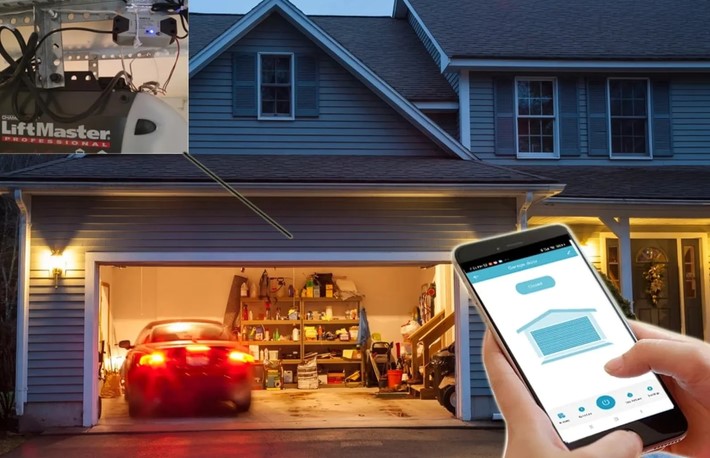
Smart lighting fixtures are becoming increasingly popular as part of the “smart home” trend. These fixtures allow you to control your home’s lighting remotely using a smartphone app or through voice commands via smart home assistants like Amazon Alexa or Google Assistant. Many smart lighting options also include energy-saving features like automatic dimming or scheduling, ensuring that lights are only on when needed.
Advantages of Smart Lighting Fixtures:
- Convenient remote control and automation
- Energy-saving features like dimming and scheduling
- Can be integrated with other smart home devices for added functionality
- Allows you to set lighting scenes and moods with ease
4. Solar-Powered Lights
Solar-powered lighting fixtures are an excellent choice for both interior and exterior lighting, especially in areas with abundant sunlight. Solar-powered lights work by converting sunlight into electricity using solar panels, which power the light fixtures at night. These fixtures are often used in outdoor spaces like gardens, pathways, and patios, but there are also solar-powered interior lighting options available. Solar lighting requires no electricity from your home, making it an environmentally friendly and cost-effective lighting solution.
Advantages of Solar-Powered Lights:
- No electricity costs, as they run on solar power
- Ideal for outdoor use in gardens, patios, and walkways
- Sustainable and eco-friendly
- Simple to install and maintain
Tips for Maximizing the Efficiency of Your Energy-Efficient Lighting
To ensure that your energy-efficient lighting fixtures are performing optimally, consider the following tips:
1. Use Dimmers and Motion Sensors
Installing dimmers and motion sensors can help further reduce energy use. Dimmers allow you to adjust the brightness of your lights based on your needs, which can help save energy when full brightness isn’t necessary. Motion sensors are great for areas like hallways or bathrooms, where lights can automatically turn off when not in use.
2. Opt for the Right Color Temperature
Different rooms in your home may benefit from different types of lighting. For instance, cooler, brighter light (around 5000K) is ideal for task-oriented areas like kitchens and offices, while warmer light (around 2700K) is better for living rooms and bedrooms where a cozy ambiance is desired. When selecting energy-efficient lighting fixtures, choose bulbs that match the intended atmosphere of the space.
3. Ensure Proper Placement
The placement of your lighting fixtures can also affect their energy efficiency. Ensure that light fixtures are properly placed to maximize their impact without needing excessive wattage. For example, use focused, directed lighting for tasks, and softer ambient lighting in rooms where the lighting needs to be more diffused.
In conclusion, switching to energy-efficient lighting fixtures is one of the simplest and most effective ways to save energy, reduce your carbon footprint, and brighten your home. Whether you choose LEDs, CFLs, solar-powered lights, or smart lighting systems, there are numerous options to suit your needs and preferences. By upgrading to energy-efficient fixtures, you’ll enjoy long-term savings on your electricity bills while also contributing to a more sustainable future. Not only will your home be well-lit, but you’ll also be making a responsible choice for the environment.













+ There are no comments
Add yours