




Picture this: you’re in the middle of preparing a gourmet weekend dinner, following a recipe that calls for a handful of fresh basil. You open your refrigerator drawer only to find a slimy, yellowing plastic sleeve of herbs you bought four days ago for five dollars. Frustrated, you toss it straight into the trash.
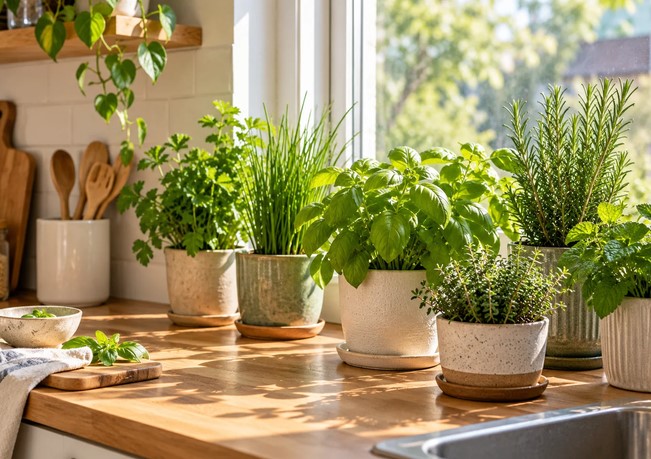
Over my ten-year journey designing functional living spaces and urban indoor gardens, I’ve seen homeowners repeat this wasteful cycle constantly. The average household discards nearly 30% of store-bought fresh produce every year. But what if you could pinch fresh, fragrant leaves right from your windowsill or kitchen wall year-round? Incorporating kitchen herbs indoor isn’t just an aesthetic trend; it is a structural, culinary, and sustainable upgrade to your home.
Let’s take a deep dive into how you can design, build, and maintain a high-yield indoor herb system that elevates your cooking and reduces household waste.
The Physics of Indoor Botany: Microclimates in the Kitchen
Think of growing herbs inside your home like managing a miniature climate control system. Outdoors, plants rely on natural weather rhythms, wind movement, and unrestricted soil beds. Indoors, you are responsible for providing every environmental input—from micro-nutrients to artificial light cycles.
When cultivating kitchen herbs indoor, plants don’t fail because people lack a “green thumb.” They fail because of poor environmental alignment.
Throughout my field installations, the three primary reasons indoor culinary gardens struggle are:
-
Inadequate Photosynthetic Active Radiation (PAR): Standard home lighting lacks the spectrum needed for essential oil production.
-
Root Suffocation: Overwatering without proper drainage starves root zones of oxygen.
-
Stagnant Microclimates: Lack of gentle airflow encourages fungal issues like powdery mildew.
By engineering the right growing environment, you transform your kitchen counter into an endless, self-sustaining micro-farm.
Designing Your Indoor Herb Infrastructure
Before buying seeds or starter pots, you need to select the right growing infrastructure for your layout and lifestyle. Not all herbs share the same environmental demands.
+--------------------------------------------------------+
|           INDOOR HERB INFRASTRUCTURE LAYERS            |
+--------------------------------------------------------+
| [ Top Layer      ]  Full-Spectrum LED Grow Lighting    |
| [ Foliage Zone   ]  Active Air Circulation / Pruning   |
| [ Root Zone      ]  Aerated Substrate / Biochar Mix    |
| [ Base Drainage  ]  Reservoir / Drainage Collection    |
+--------------------------------------------------------+
Critical Technical Terms (LSI Keywords) to Know
Understanding these horticultural and indoor environmental terms will help you master your setup:
-
Photosynthetic Active Radiation (PAR): The spectral waveband of solar radiation (400 to 700 nanometers) that photosynthetic organisms use to grow.
-
Perlite & Vermiculite: Volcanic mineral additives used in soil blends to improve aeration, drainage, and moisture retention.
-
Transpiration: The process by which moisture moves through plants from roots to small pores on the underside of leaves, releasing vapor into the air.
-
Damping Off: A fungal disease that attacks seedlings at soil level, typically caused by cold, overly damp conditions and poor air movement.
-
Bolting: The premature flowering of a plant, which changes its energy focus and turns tender culinary leaves bitter.
Step-by-Step Blueprint: Setting Up Your Indoor Herb System
Building a resilient system for growing kitchen herbs indoor requires combining proper hardware, light placement, and soil science. Follow this practical workflow to set up your indoor culinary garden:
Step 1: Select the Right Herb Categories
Group your plants according to their natural climate needs:
-
Mediterranean Varieties (Rosemary, Thyme, Oregano, Sage): Require gritty, fast-draining soil, bright direct light, and drier roots.
-
Moisture-Loving Varieties (Basil, Parsley, Cilantro, Chives): Prefer rich organic potting mixes, consistent moisture, and partial-to-full light exposure.
Step 2: Establish the Ideal Lighting Setup
Windowsills can be deceptive; standard double-pane glass filters out a significant portion of usable light waves.
-
Position tender herbs near south- or west-facing windows for maximum natural sunlight.
-
Supplement with full-spectrum LED grow light strips mounted 6 to 12 inches above foliage for 12 to 14 hours daily to maintain lush growth throughout winter.
Step 3: Mix a Superior Indoor Substrate
Never use standard outdoor topsoil or heavy garden soil in pots, as it compacts quickly and suffocates roots.
-
Combine 60% high-grade peat moss or coconut coir, 30% perlite for aeration, and 10% worm castings for organic nutrient supply.
-
Add a small handful of crushed horticultural charcoal to keep the soil fresh and prevent anaerobic bacterial buildup.
Step 4: Master Strategic Harvesting Practices
-
Never harvest more than one-third of the plant’s total foliage at a single time.
-
Always snip woody stem herbs (like basil or mint) right above a leaf node (node junction) to encourage the plant to branch out into two new stems rather than growing tall and leggy.
Expert Advice: Pro Tips & Hidden Warnings
PRO TIP: The Bottom-Watering MethodAvoid pouring water directly onto topsoil from a pitcher. Instead, place your pots into a shallow tray filled with 1 inch of water for 20 minutes, allowing the roots to draw moisture upward through capillary action. This keeps topsoil dry, which drastically reduces the chances of attracting annoying fungus gnats to your kitchen.
⚠️ Hidden Warning: The Silent Killer of Indoor Mint and Basil
Beware of placing your kitchen herbs indoor directly against cold glass windowpanes in winter or right under cold AC vents in summer. Sudden micro-temperature shocks cause cell walls to collapse, turning foliage black overnight. Keep pots at least 3 inches away from glass surfaces and clear of direct mechanical drafts.
Choosing the Best Setup for Your Space
Selecting the right system depends on your available space, daily routine, and budget. Use this comparison table to guide your decision:
| System Type | Best For | Maintenance Level | Yield Potential |
| Windowsill Containers | Casual cooks & small kitchens | 💧 Low (Daily checking) | Moderate (Seasonal) |
| Vertical Wall-Mounted Planters | Space-saving urban apartments | 💧💧 Medium (Regular watering) | High (Continuous) |
| Countertop Hydroponic Pods | Low-light spaces & busy lifestyle | 💧 Low (Water refill every 2 weeks) | Very High (Fast growth) |
| Custom Built-in Cabinet System | Dedicated home chefs & remodels | 💧💧 Medium (Integrated lighting/pumps) | Maximum (Year-round production) |
Conclusion: Transform Your Kitchen Experience
Integrating kitchen herbs indoor goes far beyond mere home decor—it merges sustainable living with real culinary performance. By mastering light requirements, engineering your soil mix, and utilizing smart harvesting techniques, you eliminate store-bought produce waste and gain instant access to vibrant flavors right at your fingertips.
Are you ready to build your own indoor culinary garden, or are you currently struggling with a fussy windowsill plant?
Drop a comment below with your kitchen layout and light setup, and let’s troubleshoot your indoor garden plan together!







+ There are no comments
Add yours