






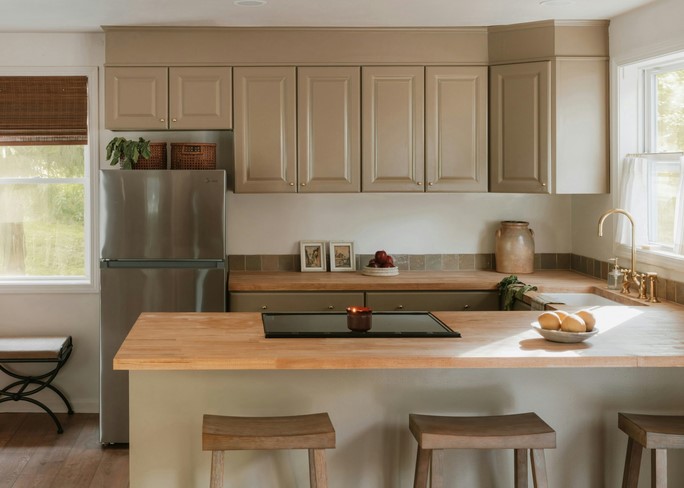
 Every time I step into a client’s home for a kitchen consultation, I notice the exact same thing within the first two minutes. Homeowners are desperately looking for more counter space, stacking cutting boards on stovetops, or cramming pantries to the brim. Yet right in front of them sits one of the most neglected goldmines in modern interior design: the dark, dusty void above the refrigerator.
Over my ten years in the home improvement industry, I’ve seen this dead space turned into everything from a disorganized dumping ground for old mail to an awkward graveyard for forgotten appliances. The solution isn’t complicated, but it does require strategy. Installing an over fridge shelf is one of the highest-yield, lowest-cost storage upgrades you can make—provided you respect the physics of your kitchen.
Let’s dive into how you can reclaim this vertical real estate safely, stylishly, and permanently.
The Thermodynamics of Above-Fridge Storage: Why Heat Matters
Before you rush to screw brackets into your drywall, we need to talk about what’s actually happening behind and above your appliance. A refrigerator is essentially a heat heat exchanger; it pulls warmth from inside its cabinet and pumps it out through coils on the back or bottom.
Think of your refrigerator as an elite athlete running a marathon. If you box it in completely without airflow, you’re forcing that athlete to run in a rubber rain suit. The compressor will overheat, work twice as hard, and send your monthly electric bill soaring.
       [ Wall-Mounted or Freestanding Shelf ]
-----------------------------------------------------  <-- Air Circulation Gap (Min. 2-3 inches)
   ^^^^^ Heat Dissipation Zone (Warm Air Rises) ^^^^^
=====================================================
|                                                   |
|                   REFRIGERATOR                    |
|                                                   |
When planning your over fridge shelf layout, ventilation is your non-negotiable priority.
-
Clearance Gap: Always maintain at least 2 to 3 inches of open clearance between the top of the refrigerator and the bottom of your shelf.
-
Rear Ventilation: Leave a 1- to 2-inch gap between the back of the shelf and the wall if your unit exhausts heat from the upper rear.
-
Ambient Temperature: Expect the surface temperature on or directly above the fridge to sit 5°F to 10°F higher than the rest of your kitchen.
Choosing the Right Over Fridge Shelf System
Not all vertical shelving units are created equal. Depending on whether you rent or own, your structural constraints will dictate which route to take.
+------------------------+---------------------------------------+----------------------------------+
| Storage Type           | Best For                              | Pros                             |
+------------------------+---------------------------------------+----------------------------------+
| Freestanding Rack      | Renters, zero-drill needs             | Portable, easy assembly          |
| Heavy-Duty Floating    | Minimalist, modern aesthetic          | Clean lines, high weight limit   |
| Built-In Cabinetry     | Full-scale custom renovations         | Seamless look, max storage volume|
+------------------------+---------------------------------------+----------------------------------+
1. Freestanding Metal Frame Racks
These units straddle the refrigerator, resting on the floor or resting securely on top of the appliance with rubber feet.
-
Best used for: Rental properties where drilling into studs or tile isn’t permitted.
-
Material choice: Powder-coated carbon steel is optimal here because it resists rust, tolerates environmental heat, and cleans up easily with a microfiber cloth.
2. Wall-Mounted Heavy-Duty Floating Shelves
If you own your home, anchored wall shelves offer a sleek, architectural look without bulky side supports.
-
Best used for: Modern, open-concept kitchens where visual clarity matters.
-
Material choice: Kiln-dried hardwoods like white oak or walnut, treated with a heat-resistant sealant. Avoid untreated MDF, which can warp under continuous ambient heat and kitchen humidity.
What Belongs on an Over Fridge Shelf (And What Absolutely Doesn’t)
In my early contractor days, I made the mistake of placing a fine bottle of wine on top of my own fridge. Three months later, I opened it to find oxidized vinegar. Heat rises, and constant thermal exposure degrades sensitive organic compounds rapidly.
Safe to Store
-
Infrequently Used Small Appliances: Stand mixers, Dutch ovens, seasonal punch bowls, and large roasting pans.
-
Cookbooks & Recipes: A dedicated culinary library looks fantastic elevated above the fridge.
-
Pantry Bulk Goods: Dry goods sealed in airtight, heat-safe glass containers (e.g., flour, sugar, dry pasta).
-
Decorative Elements: Faux trailing plants (like pothos or ivy) or heat-tolerant ceramic stoneware.
The Danger Zone: Never Keep These Here
-
Wine & Fine Spirits: Heat accelerates oxidation and ruins flavor profiles.
-
Perishable Spices: Essential oils in spices evaporate quickly when exposed to heat, rendering them flavorless.
-
Prescription Medications & Vitamins: Heat and humidity degrade chemical potency faster than you think.
-
Chocolate & Oils: Cooking oils rancidify faster, and chocolate will turn into an unsightly melted mess.
Step-by-Step Installation Protocol
Installing an over fridge shelf isn’t complicated, but precision prevents disasters. Here is the exact protocol my team uses on job sites.
Step 1: Measure Three Times
Measure the width of your refrigerator, the height from the top of the unit to the ceiling, and the clearance width between adjacent cabinets or walls. Don’t forget to measure the fridge door hinge height—some doors swing upward slightly when opened!
Step 2: Locate Wall Studs
If you are installing a wall-mounted over fridge shelf, relying on drywall anchors alone is a recipe for catastrophic failure. Use an electronic stud finder to locate at least two vertical framing studs behind the drywall.
Step 3: Account for Thermal Clearance
Mark your shelf position on the wall, ensuring you have at least 3 inches of breathing room above the tallest point of your refrigerator cabinet.
Step 4: Level and Secure
Use a 24-inch bubble level to ensure your mounting brackets are perfectly plumb. Secure brackets directly into the wood studs using 3-inch, heavy-duty cabinet screws.
Pro Tips
Pro Tip: The Paper Towel Test for Airflow
Once your shelf is loaded and in place, run your refrigerator for an hour. Hold a single sheet of paper towel near the rear clearance gap behind the fridge. If the paper gently flutters away or moves with rising warm air, your natural convection is working perfectly. If there’s no movement, your shelf or items are too tightly packed, trapping hot air around the motor.
The Dust & Grease Trap
Microscopic aerosolized cooking oils settle on top of high surfaces and combine with household dust, creating a sticky, insulating blanket over time. Clean your over fridge shelf and the top of the appliance every 60 days. Accumulated grime on cooling coils acts as insulation, forcing your system to consume up to 30% more energy.
Final Thoughts: Unlocking Your Kitchen’s Potential
Transforming unused overhead space isn’t just about adding storage—it’s about creating an efficient, cohesive workspace that works with your daily cooking habits. An engineered over fridge shelf bridges the gap between functional kitchen utility and clean design aesthetics, unlocking several cubic feet of prime real estate without losing a single inch of floor space.
How are you currently utilizing the space above your refrigerator? Have you run into airflow issues or storage dilemmas in your own kitchen? Drop your questions and DIY photos in the comments below—I’d love to help you troubleshoot your setup!












+ There are no comments
Add yours