






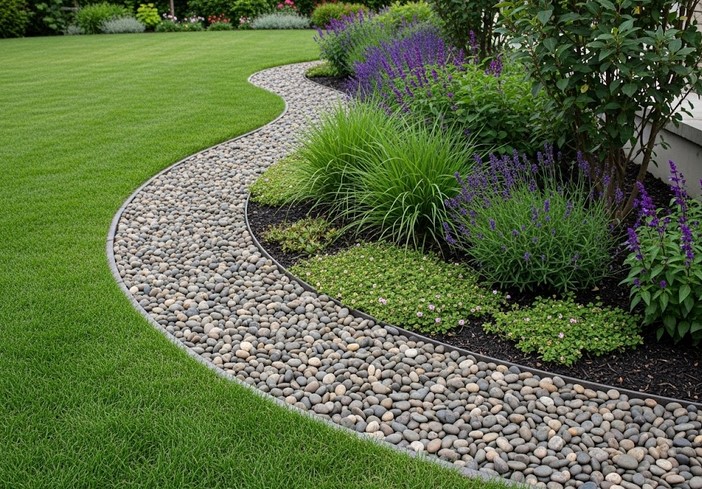
In an age where sustainability is at the forefront of our daily choices, creating an eco-friendly garden has become more important than ever. One of the easiest yet most effective ways to enhance both the beauty and environmental responsibility of your yard is by incorporating recycled garden borders. These innovative borders not only offer a stylish way to define garden beds and pathways but also help reduce waste, lower your carbon footprint, and promote a greener lifestyle. From old tires to reclaimed wood, there are a variety of materials that can be repurposed into functional and visually appealing garden borders. By using recycled materials, you can create a sustainable garden while adding a unique touch to your outdoor space.
What Are Recycled Garden Borders?
Recycled garden borders are simply garden edging solutions made from repurposed or upcycled materials. Unlike traditional borders made from plastic or concrete, these eco-friendly alternatives reduce the amount of waste that ends up in landfills, making them a great option for environmentally conscious homeowners. The materials used in recycled garden borders can vary widely, depending on availability and personal preference, but the key factor is that they have been reclaimed from other sources and given new life in your garden.
The idea behind using recycled materials for garden borders is twofold: it allows for a creative and often rustic aesthetic while also contributing to a more sustainable, zero-waste approach to gardening. In addition to looking good, these borders are also practical and functional, helping to retain soil, prevent weeds, and provide structure to your garden design.
Types of Recycled Materials for Garden Borders
- Recycled Plastic
One of the most common materials used for eco-friendly garden borders is recycled plastic. Many garden centers offer edging products made from post-consumer plastic, such as water bottles, containers, and other plastic waste. These materials are durable, flexible, and resistant to weathering, making them a great choice for long-lasting garden borders. Recycled plastic borders can be molded into various shapes and sizes, offering a versatile range of design options. Additionally, they can be easily installed and maintained, providing a low-cost solution for homeowners. - Reclaimed Wood
Wood is another popular material for creating recycled garden borders. Reclaimed wood from old fences, pallets, or even discarded furniture can be transformed into rustic garden edging. Wooden borders add warmth and texture to your yard, creating a natural, earthy look. When treated properly with non-toxic sealers, reclaimed wood can last for years without deteriorating, even in damp conditions. However, it’s important to ensure the wood is free of nails or other debris before use to prevent injury or damage to plants. - Old Tires
Repurposing old tires is an increasingly popular way to create unique, eco-friendly garden borders. Tires can be stacked and painted to create circular or semi-circular garden edging. They are durable and provide excellent protection for garden beds, especially in areas where soil erosion or heavy rain is a concern. Additionally, tires can be easily arranged into custom shapes to suit your garden’s layout. While some may be concerned about the appearance of tires, creative painting and planting can turn this material into a decorative asset in your yard. - Recycled Stone and Brick
Recycled stone and brick can provide a sophisticated and timeless look for your garden borders. These materials are often salvaged from old buildings, walkways, or demolished structures. They can be reused to create strong, sturdy borders that will last for many years. Recycled bricks and stones also offer great design flexibility, allowing you to create everything from clean, straight lines to more organic, curved edges. Additionally, stone and brick borders are perfect for creating more formal or structured garden designs. - Glass Bottles
Glass bottles, often discarded after use, can be repurposed to create visually stunning borders in your garden. By using bottles of varying sizes and colors, you can create a colorful, artistic border that adds a unique touch to your yard. Placing bottles upright or upside down in a trench can create a striking effect while also serving as a functional boundary for flower beds or vegetable gardens. While glass is more fragile than other materials, its aesthetic appeal and eco-friendly nature make it a compelling option for creative gardeners.
Benefits of Recycled Garden Borders
In addition to being an environmentally responsible choice, recycled garden borders come with a host of benefits that make them a great option for homeowners looking to improve their garden’s design and functionality. Below are some of the key advantages of using recycled materials for your garden borders:
- Eco-Friendly and Sustainable
The primary benefit of using recycled garden borders is the positive environmental impact. By using repurposed materials, you are helping reduce the amount of waste that would otherwise end up in landfills. This process promotes the concept of recycling and contributes to a circular economy, where materials are reused and given a second life. - Cost-Effective
Many recycled materials are cost-effective or even free, depending on what you can source. For instance, old wooden pallets, discarded bricks, or tires can be obtained at little to no cost, allowing you to create an attractive garden edge without breaking the bank. This makes recycled garden borders an excellent choice for homeowners who want to create a beautiful outdoor space on a budget. - Durability
Recycled materials like plastic, stone, and bricks are known for their durability and ability to withstand the elements. Unlike traditional plastic or wooden borders that may fade or deteriorate over time, many recycled materials are built to last and require minimal maintenance. For example, plastic edging will not rot, and reclaimed stone or brick can stand up to heavy weather and soil erosion. - Creative and Unique Designs
Recycled materials allow for more creative, one-of-a-kind designs that can reflect your personal style. Whether you prefer a rustic look with reclaimed wood, a more industrial feel with old metal, or a fun, colorful border made from glass bottles, the possibilities are endless. You can mix and match different materials to create a truly unique garden feature that will be the envy of your neighbors. - Improved Garden Functionality
Garden borders serve more than just an aesthetic purpose. They can help keep mulch, soil, and plants in place, reduce weed growth, and prevent soil erosion. Recycled garden borders, when installed correctly, offer structural support for garden beds, helping to maintain their shape and prevent the loss of soil. These borders can also protect plants from foot traffic and make it easier to mow or edge around garden beds.
How to Install Recycled Garden Borders
Installing recycled garden borders is generally a straightforward process, but it’s important to take a few steps to ensure they are both functional and attractive:
- Prepare the Ground
Start by marking the area where you want to place the garden borders. Use a garden hose or string to outline the shape, whether it’s a straight line or a curve. Then, dig a shallow trench along the marked path to hold the borders securely in place. - Select and Arrange the Materials
Once your trench is prepared, choose your recycled materials and begin arranging them. If you’re using tires, stack them in a desired pattern; if you’re using bricks or stones, ensure they fit together snugly. If using wood or other materials, make sure they are cut to the appropriate length and free of nails or sharp edges. - Install the Borders
Place your materials into the trench and adjust them until they are positioned properly. For added stability, you can secure the materials by tamping down the soil around them or using garden stakes to anchor them. - Finish the Look
Once your recycled garden borders are in place, you can enhance the look by adding mulch, plants, or decorative elements like stones or pebbles. This will help complete the design and ensure the borders blend seamlessly into your garden.
Incorporating recycled garden borders into your yard is not only a creative and stylish way to define your garden beds but also a responsible choice for the environment. By reusing materials like plastic, wood, tires, stone, and glass, you reduce waste and contribute to a more sustainable way of living. The durability, cost-effectiveness, and aesthetic appeal of recycled materials make them an excellent choice for any garden. Whether you are looking to create a rustic, modern, or whimsical design, recycled garden borders offer the flexibility to transform your yard into a beautiful and eco-friendly outdoor space.












+ There are no comments
Add yours